Offshore Passage & Expedition Sailing
Oban, Dublin, Isles of Scilly & Porto
From Scotland’s western coast across the Celtic Sea and Bay of Biscay.
Some voyages reveal one coastline. This one follows the changing face of an entire ocean passage.
Voyage Information
Leaving Oban and Scotland’s island-fringed western shore, Arctos turns south through the North Channel and into the Irish Sea. A planned stop in Dublin brings a brief return to city life before the route opens across the Celtic Sea toward the Isles of Scilly, a remote archipelago of granite shores, clear water and small anchorages.
From Scilly, the voyage changes character again. The coast falls away and the crew settles into the rhythm of a longer offshore passage across the Bay of Biscay, sailing south toward Portugal and the final landfall in Porto.
This is not a conventional sightseeing itinerary. It is a real passage shaped by wind, weather, watchkeeping and life aboard an expedition sailing boat.
From the Scottish Isles to Portugal
The voyage begins in Oban, where the crew joins Arctos for provisioning, safety preparation and an introduction to the boat. Once aboard, everyone becomes part of the daily rhythm: preparing the yacht, discussing the route and getting ready for the first offshore miles.
The opening passage leads south from Scotland toward the North Channel. The landscape gradually changes from the mountains and islands of the Scottish west coast to the open waters between Scotland and Ireland. This first part of the route gives the crew time to become familiar with the boat, the watch system and the practical realities of passage sailing.
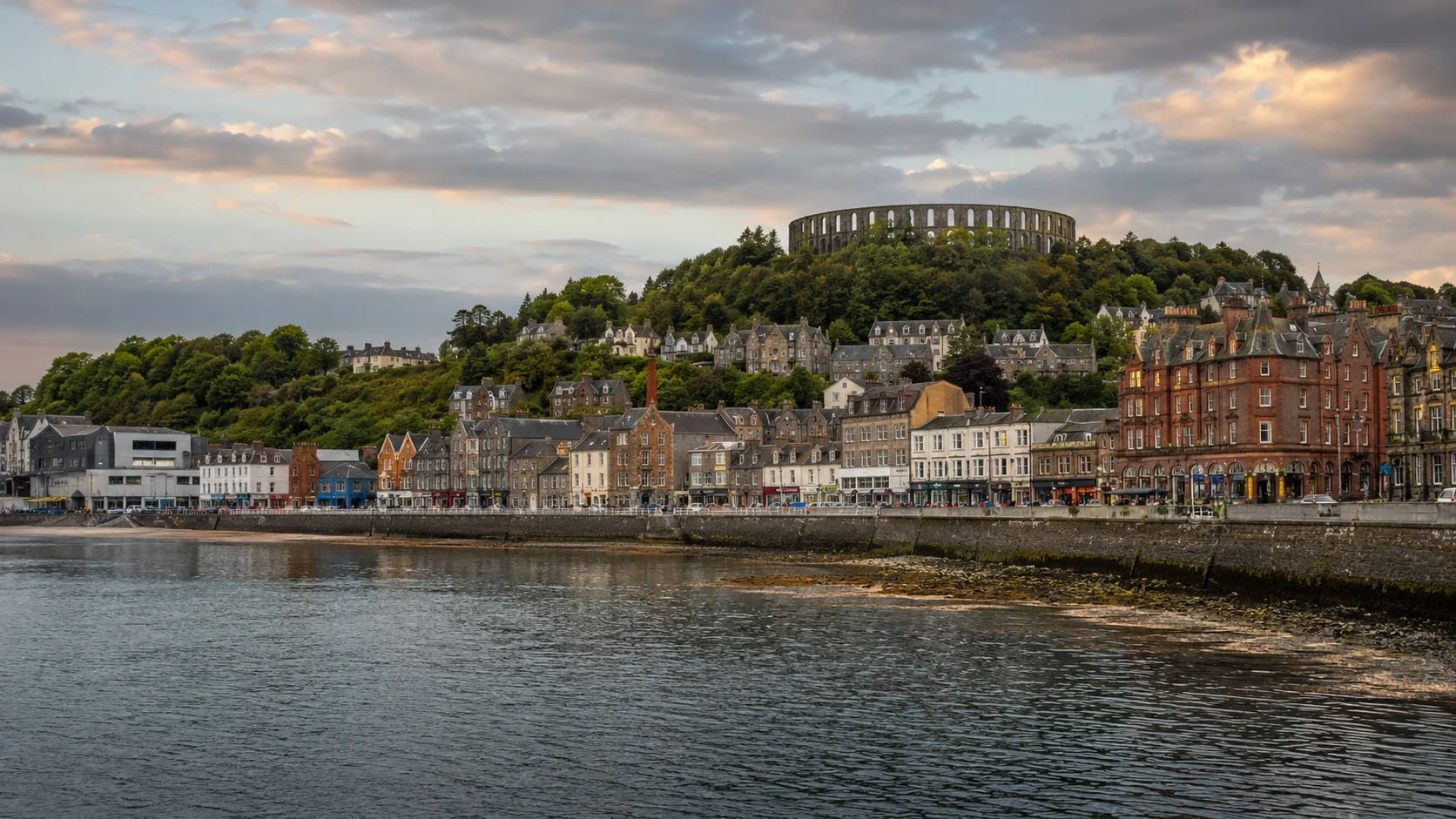
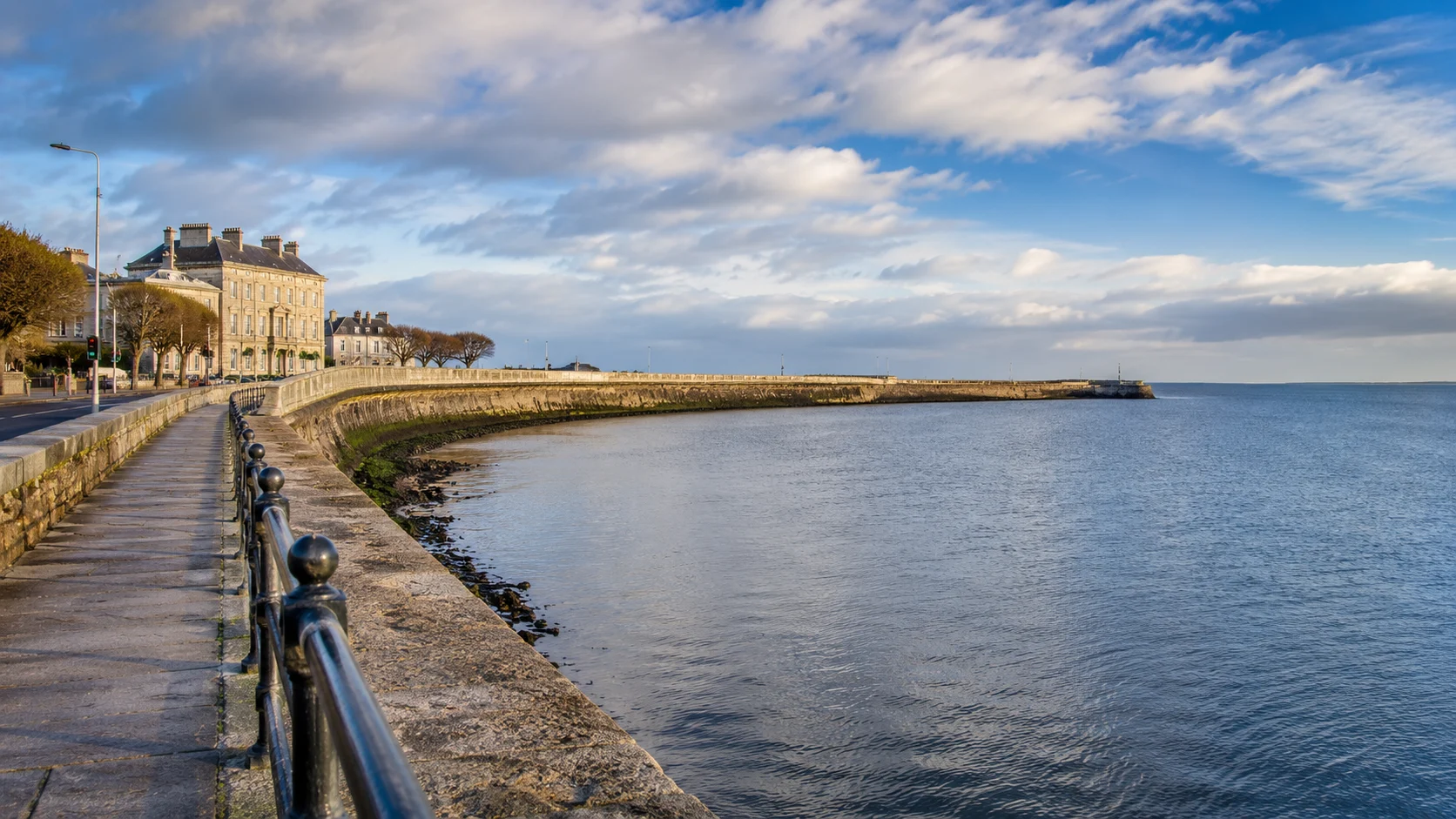
Our planned Irish stop is in the Dublin Bay area, most likely around Dun Laoghaire. It offers time to rest, explore the waterfront, check the weather and prepare Arctos for the next section.
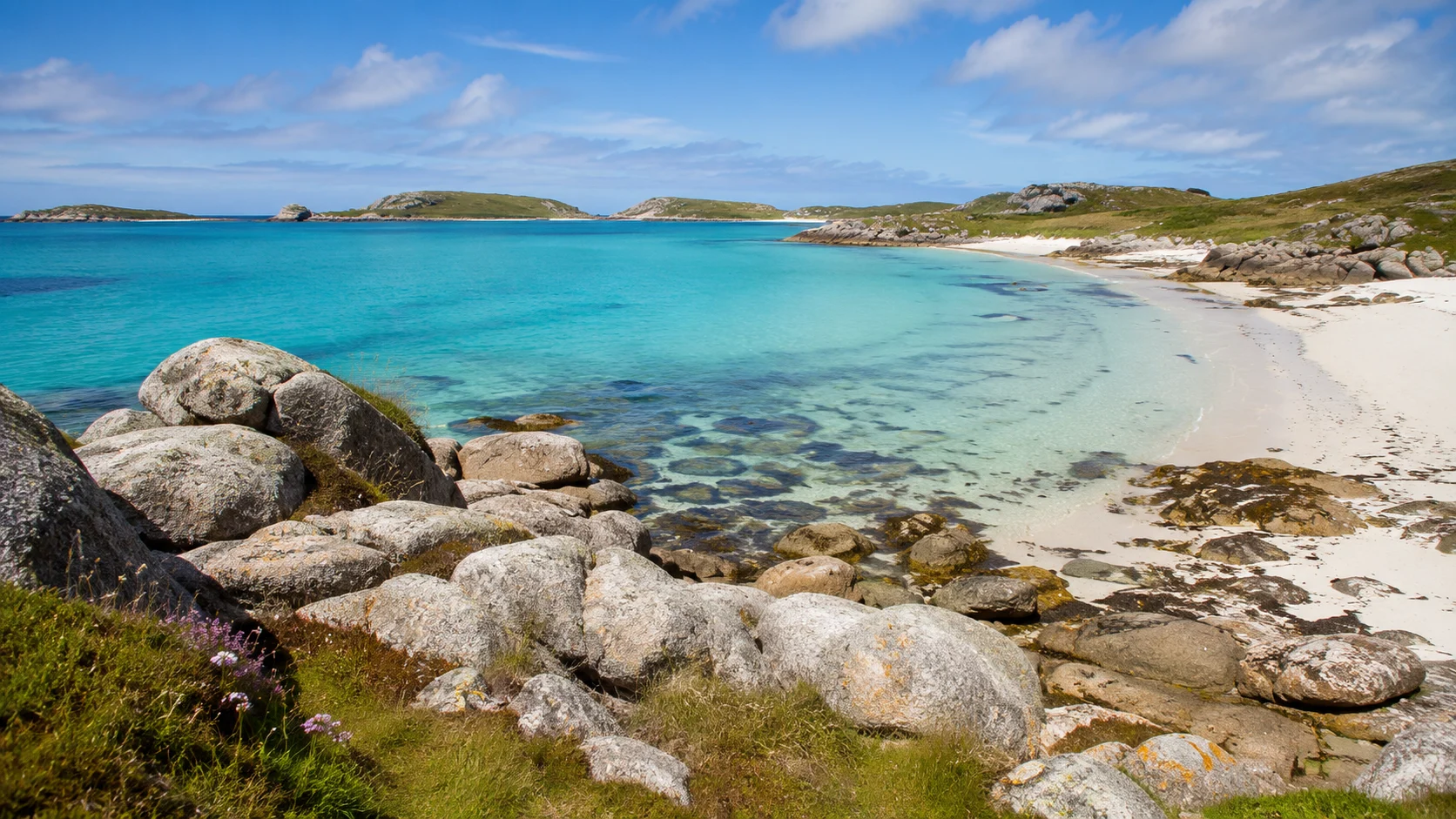
From Dublin, we continue south through the Irish Sea and across the Celtic Sea. If weather, timing and sea conditions allow, we will stop among the Isles of Scilly. These low Atlantic islands form one of the most memorable possible landfalls on the route, with rocky shores, pale beaches, clear water and small island communities.
The Isles of Scilly are a planned, weather-dependent stop rather than a guaranteed fixed call. The skipper may shorten, move or omit the stop if this is necessary for the safety and timing of the passage.
The final stage is the longest offshore section: from the Celtic edge of Europe across the Bay of Biscay and down the Atlantic coast toward northern Portugal. Days and nights begin to flow into one another as the crew shares watches, meals, navigation and the changing conditions at sea.
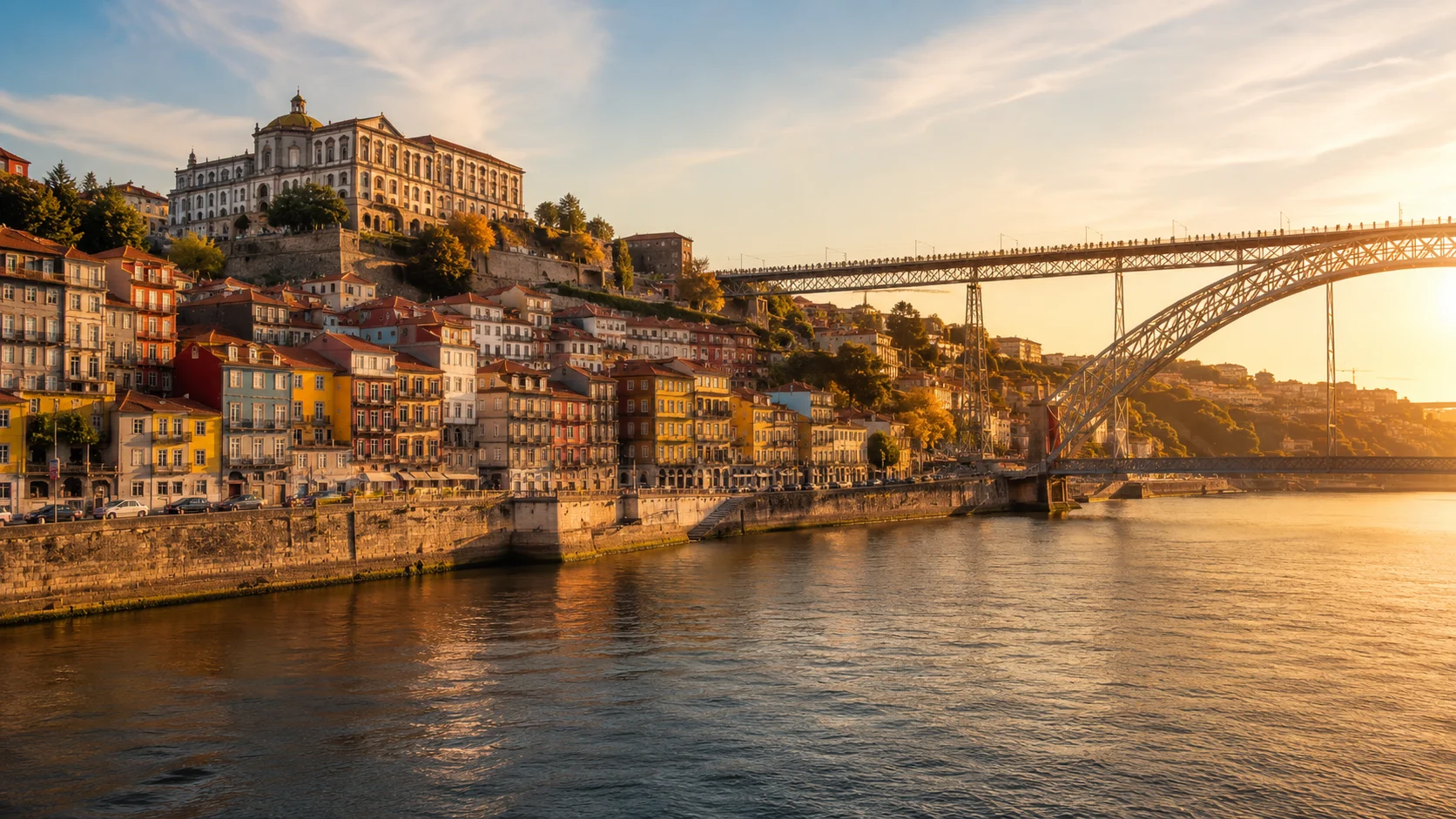
The voyage finishes in the Porto area, where the Atlantic meets the mouth of the Douro and the northern landscape of Portugal marks the end of our passage south.
The complete route is approximately 1,000 nautical miles, depending on weather, sea conditions and the final navigation plan.
Highlights
Departure from Scotland’s western coast
Begin in Oban, surrounded by islands, mountains and one of northern Europe’s great sailing regions.
Real offshore sailing
Take part in watches, navigation, sail handling and the shared routines of a multi-day passage.
Dublin Bay
Pause on Ireland’s east coast for a change of rhythm, a walk ashore and preparation for the Celtic Sea.
Isles of Scilly
Discover a remote Atlantic archipelago of granite headlands, small harbours and remarkably clear water, weather permitting.
The passage to Porto
Cross the Bay of Biscay and follow the Atlantic south toward the mouth of the Douro and the Portuguese coast.
The rhythm of the voyage
This is an indicative sequence, not a guaranteed day-by-day itinerary.
Days 1-3 – Oban and the passage south
Embarkation, introductions, provisioning and safety preparation aboard Arctos, followed by departure from Scotland and the beginning of the passage toward Ireland.
Days 4-6 – Dublin Bay
Planned arrival in the Dublin area, time ashore when conditions allow, weather review and preparation for the next offshore section.
Days 7-9 – The Celtic Sea and Isles of Scilly
Sailing south across the Irish and Celtic seas, with a possible stop in the Isles of Scilly if weather and timing are suitable.
Days 10-15 – Bay of Biscay and Porto
The longest offshore part of the voyage, with day and night watches, shared life aboard and the gradual transition toward Portugal.
The sea sets the final schedule. The skipper may adapt the route, stopovers and time ashore according to weather, sea state, safety and the progress of the boat.
Life aboard Arctos
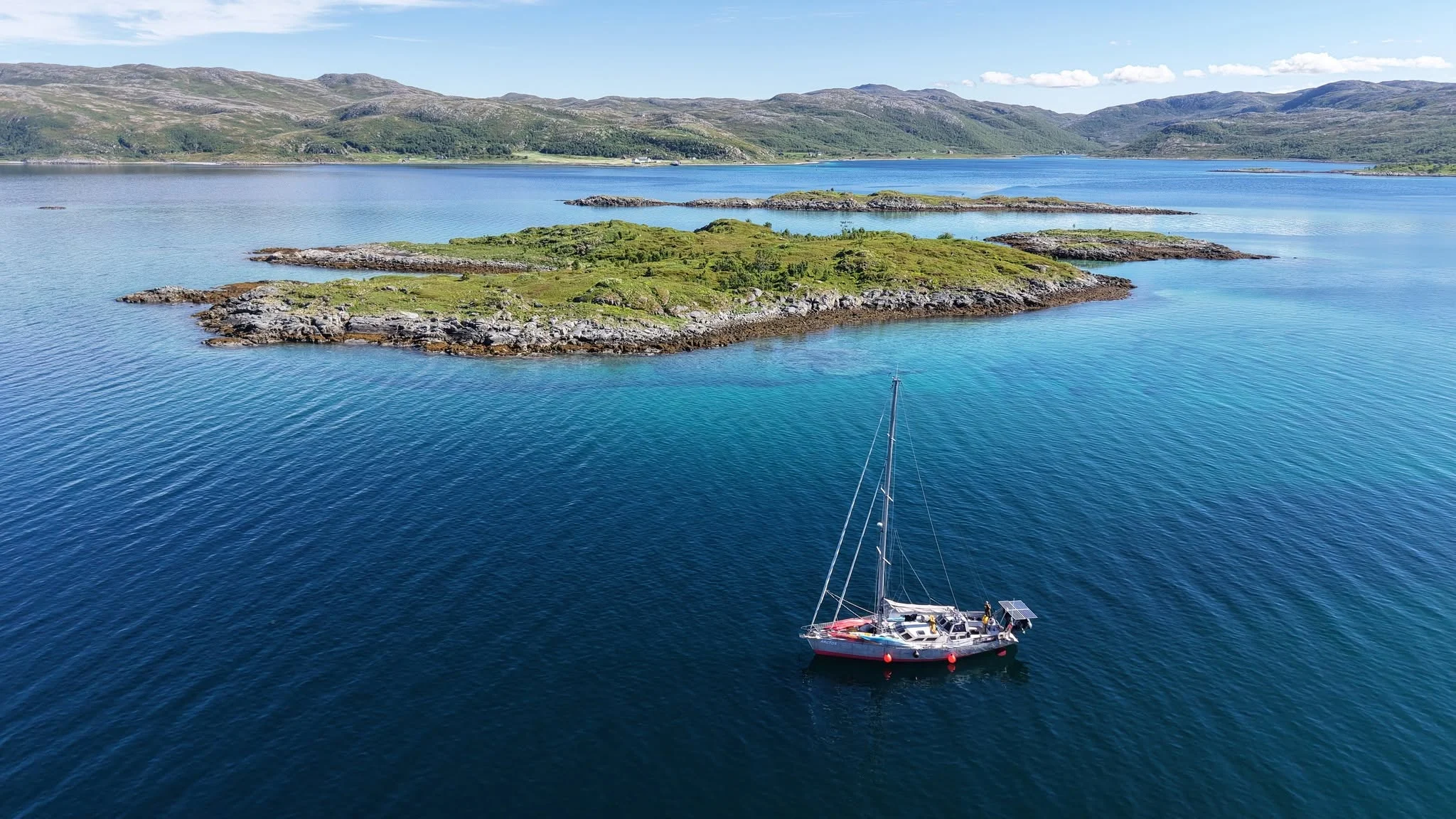
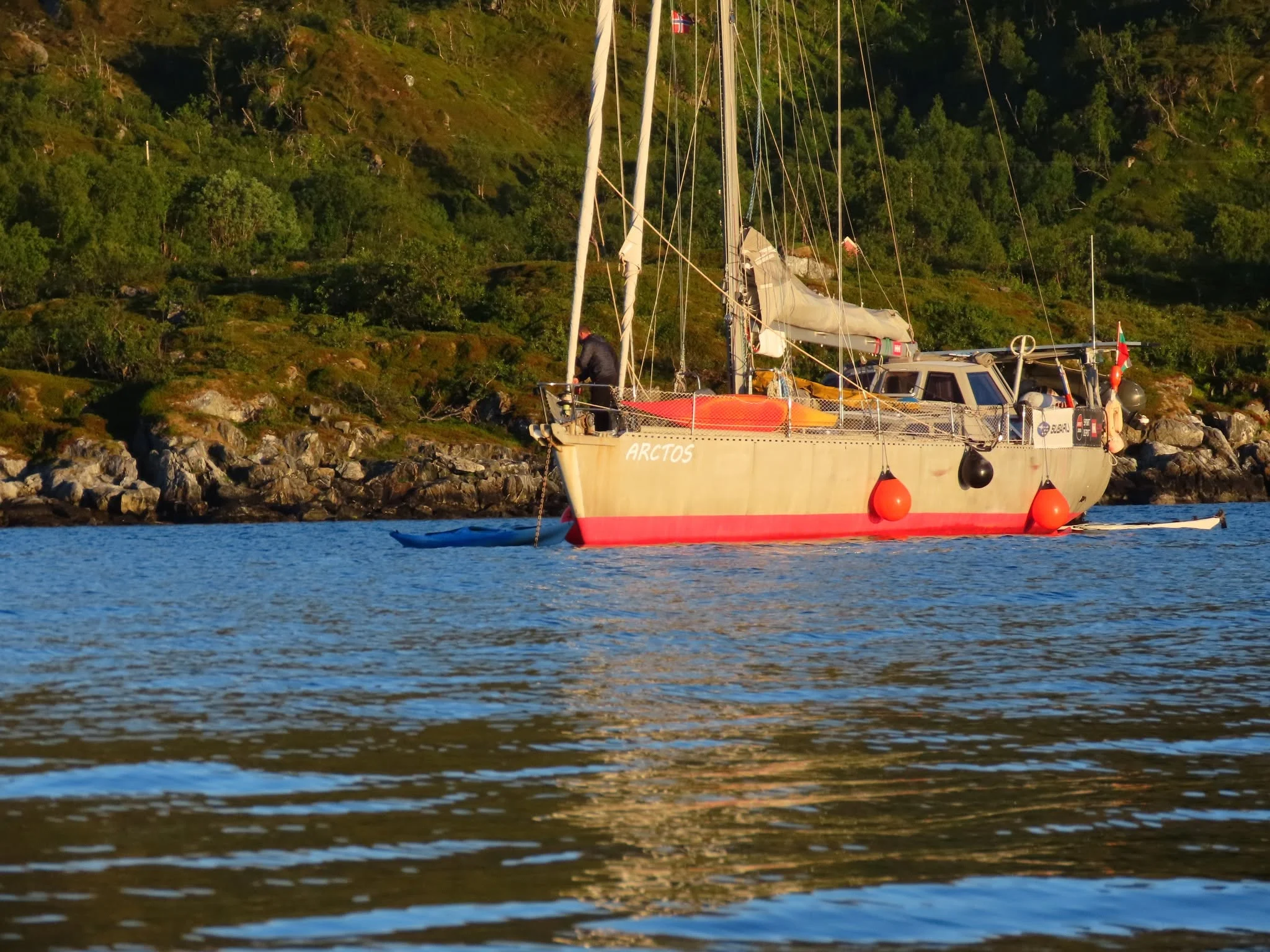
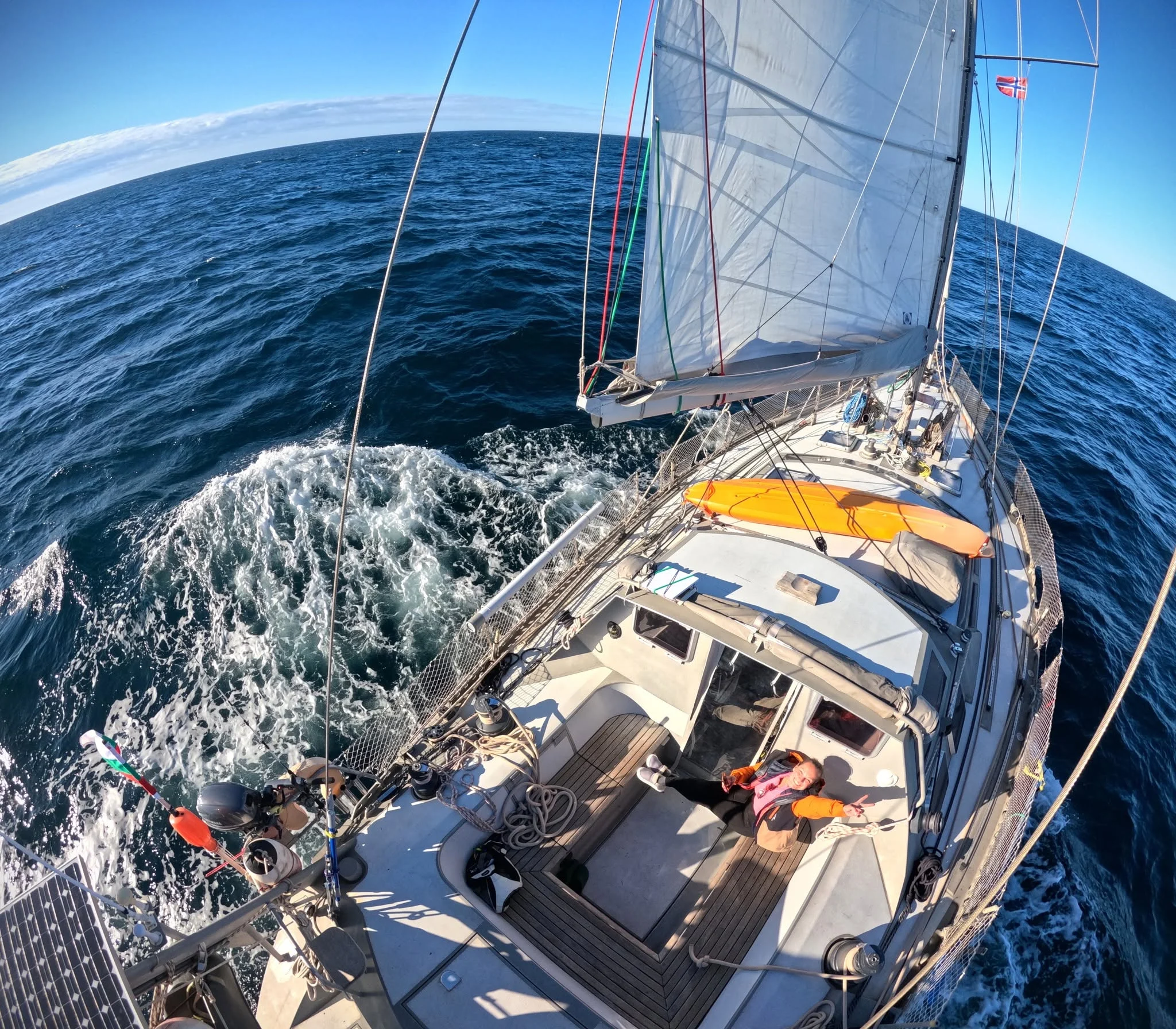
Arctos is a 56-foot aluminium OVNI 56 designed for serious long-distance sailing. On this voyage, she is not simply transport between destinations – she is our home, our working environment and the centre of the experience.
Guests join the life of the boat as active members of the crew. Depending on experience and conditions, this may include watchkeeping, helming, sail handling, navigation discussions, preparing meals and helping with the everyday routines aboard.
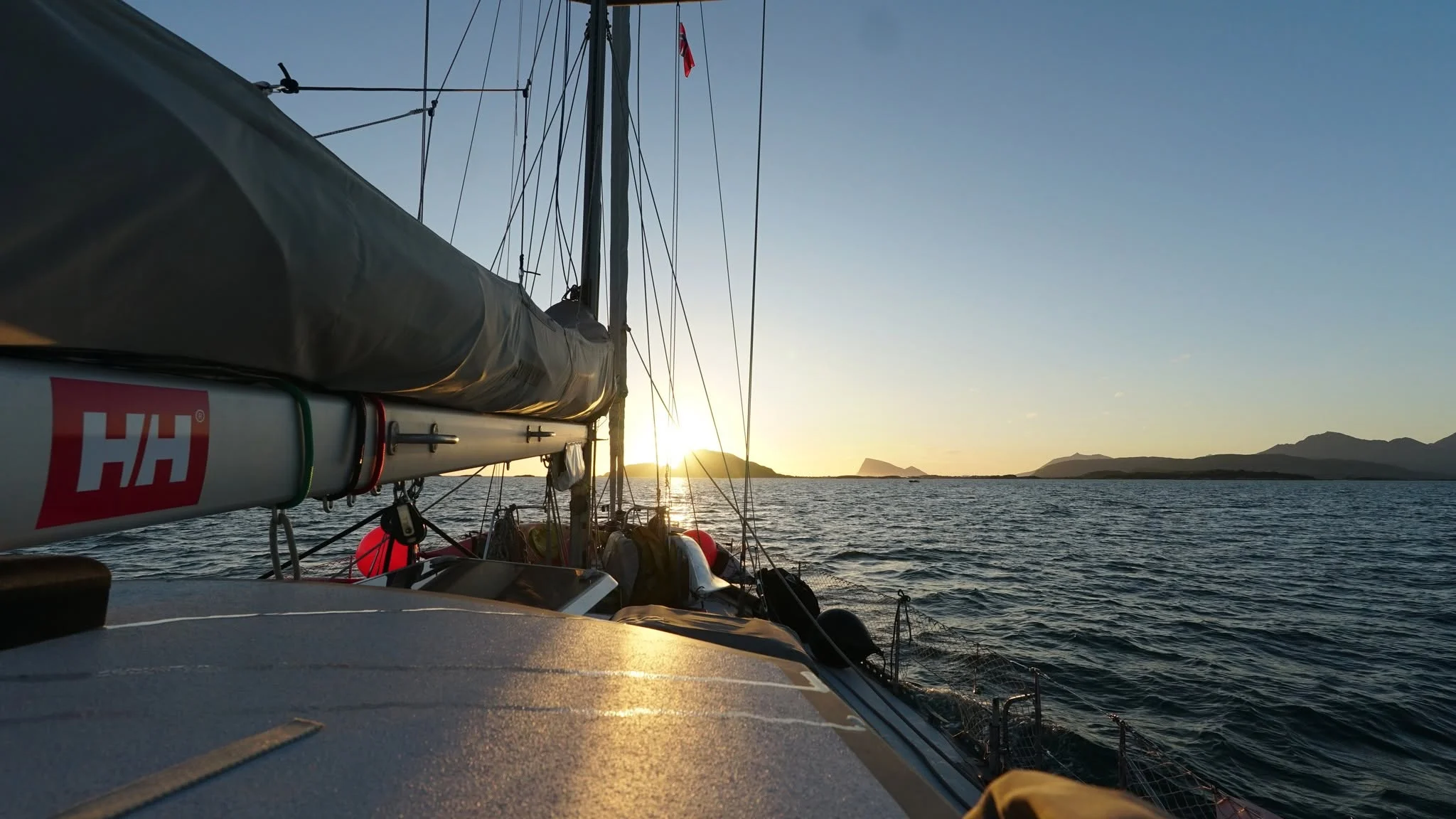
There will be long sailing days, night watches, limited personal space and periods when the movement of the sea defines everything we do. There will also be quiet mornings offshore, shared meals, changing skies and the rare feeling of crossing a large part of Europe under sail.
Previous sailing experience is an advantage. Adaptability, a reasonable level of fitness and a genuine willingness to participate are essential. Final suitability for the voyage is confirmed after a conversation with the skipper.
Getting there and away
For embarkation, Glasgow is normally the most practical major arrival hub, with onward rail or bus connections to Oban. Edinburgh may also be possible depending on the participant’s travel plan.
Participants should plan to reach Oban no later than 15 September, allowing time for delays and final preparation before embarkation.
For the return journey, Porto Airport is the main international airport. Because this is an offshore sailing passage, participants should avoid booking a tightly timed, non-flexible flight immediately after the planned arrival. Flexible travel or an additional weather-buffer day is strongly recommended.
All participants are responsible for checking the passport, visa and entry requirements applicable to their nationality for the United Kingdom, Ireland and Portugal.
Gallery
Join Arctos on the passage south
Tell us about your sailing experience, your travel plans and what draws you to this voyage. We will reply with current availability, practical details and the cost-sharing arrangement.