Faroe Islands
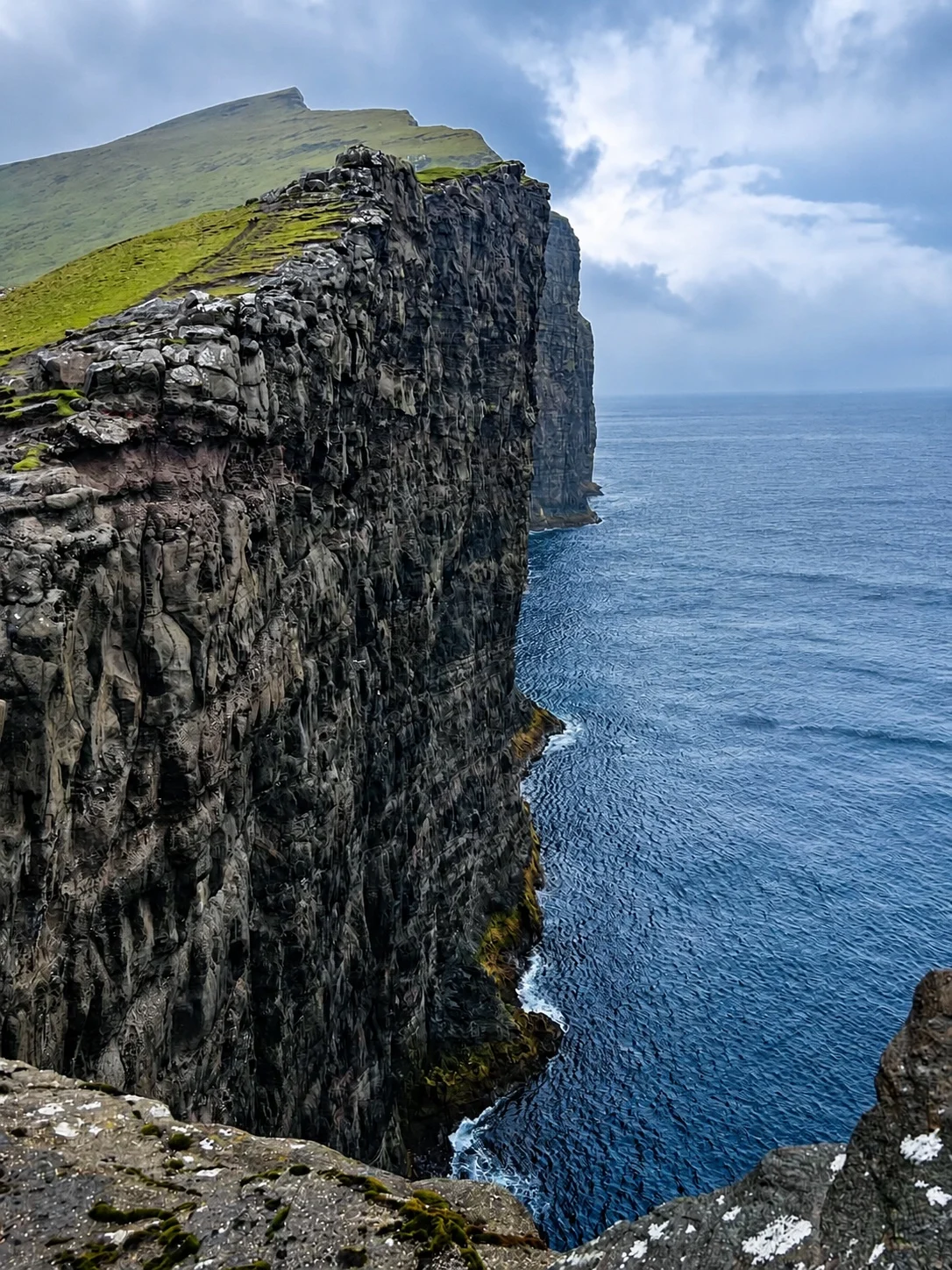
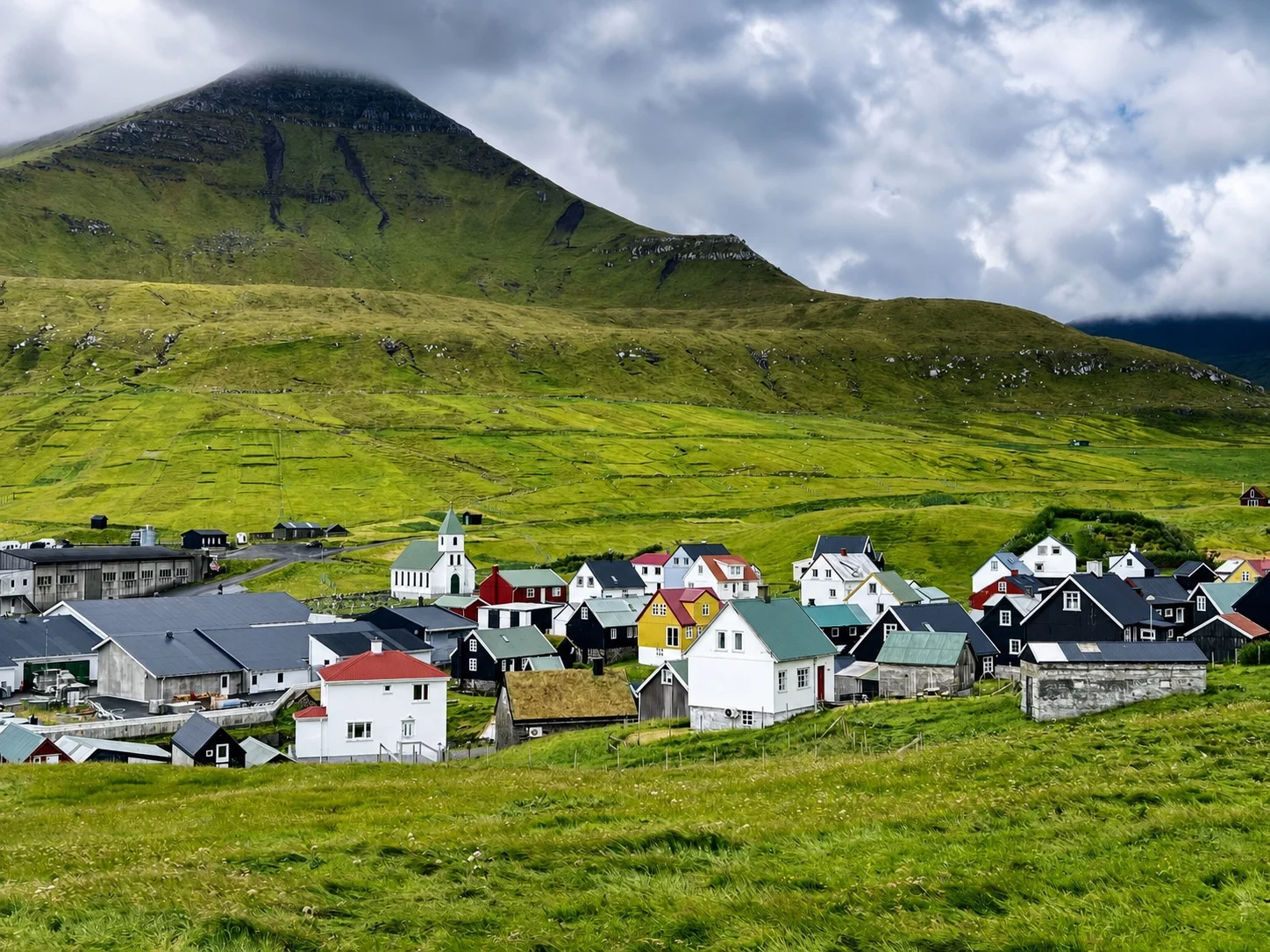
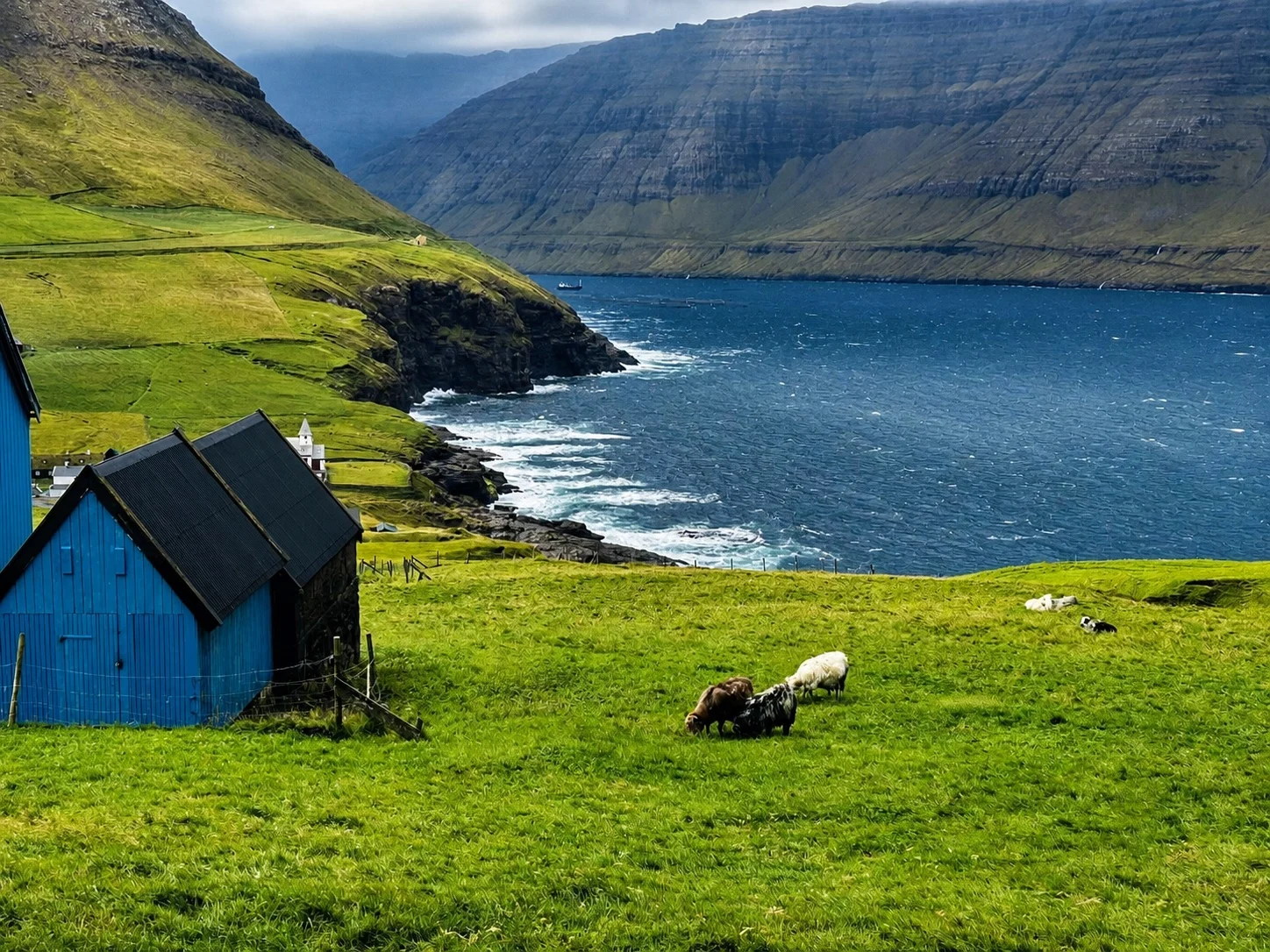
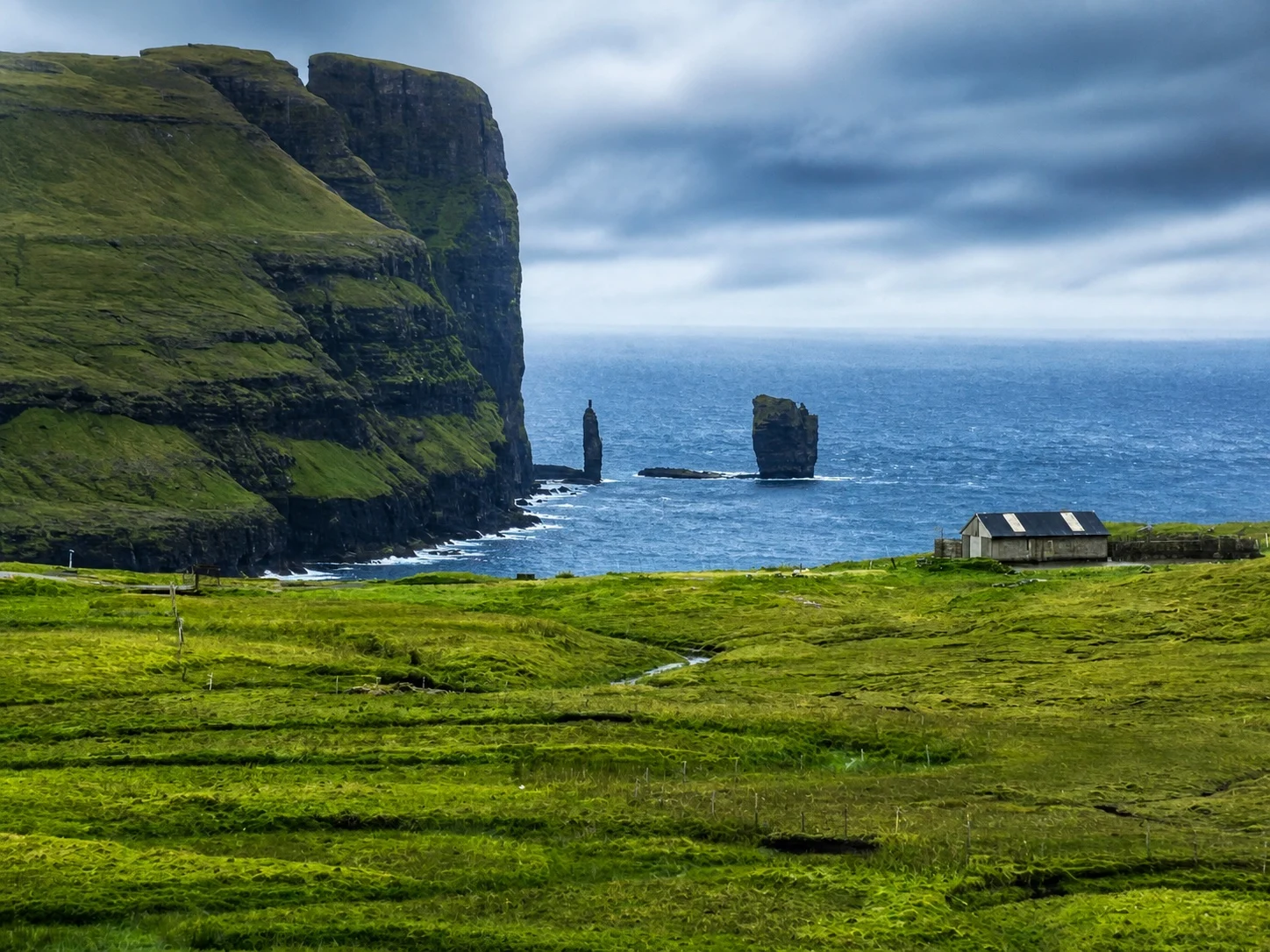
The Faroe Islands are made for travelling slowly — by sea and on foot. Eighteen islands rise from the North Atlantic in a landscape of steep green mountains, narrow sounds, sea cliffs and small villages built wherever the land allows.
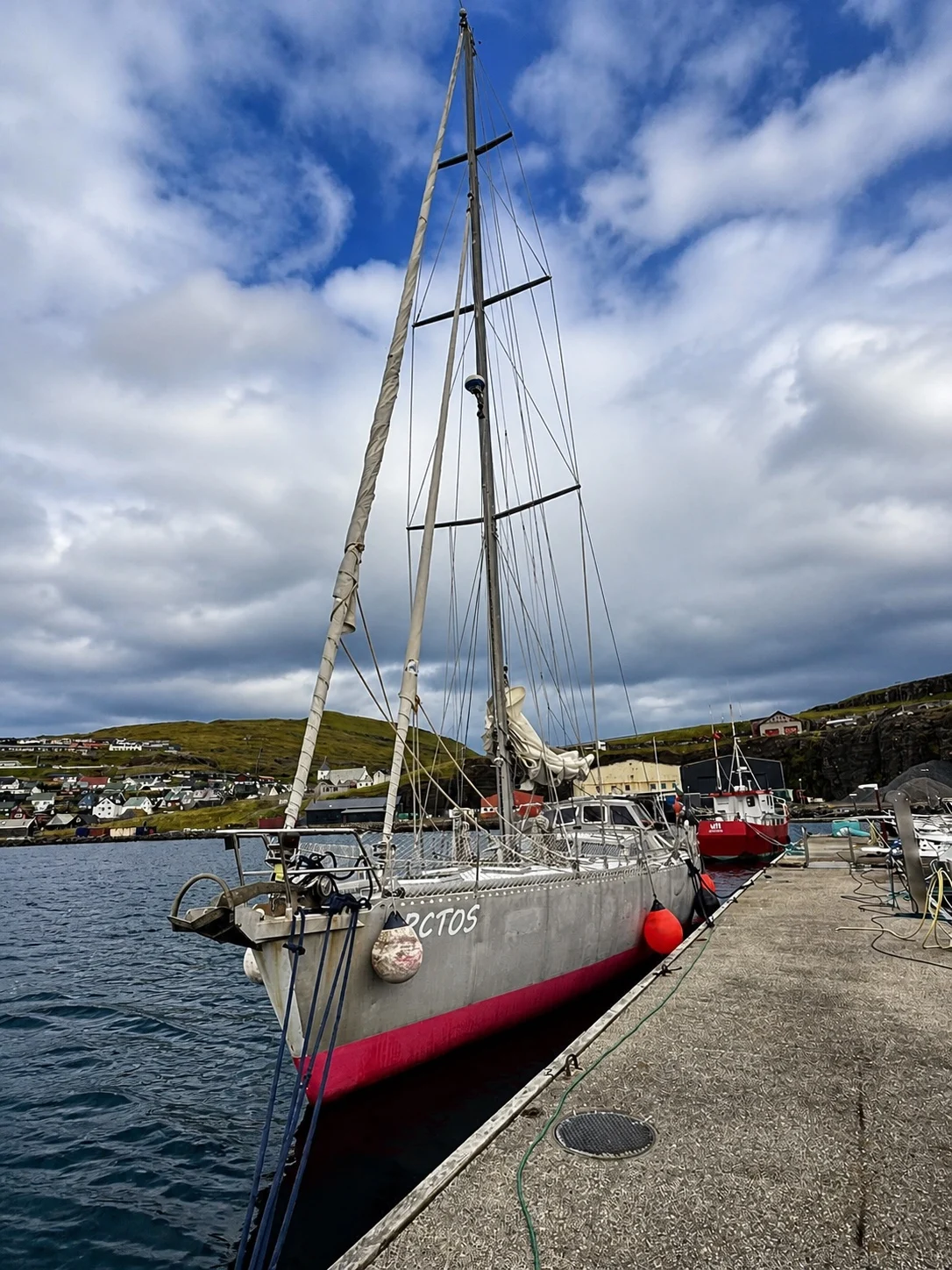
For Arctos, the sailing is part of the exploration. Short passages connect islands that can feel surprisingly different, while strong tidal currents, changing wind and exposed headlands keep the navigation interesting. Protected fjords and small harbours then become starting points for going ashore and continuing into the mountains.
Sailing between the islands
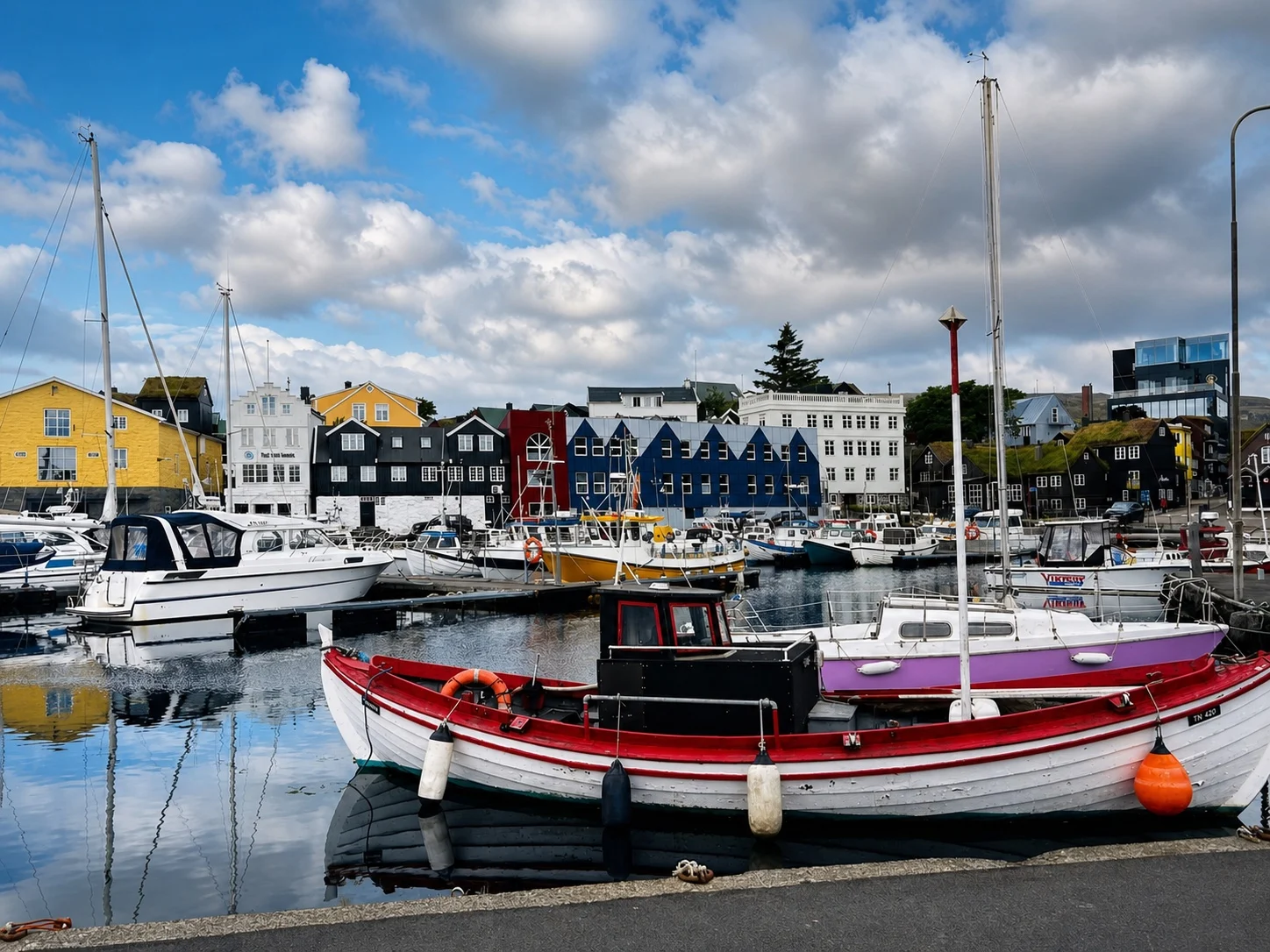
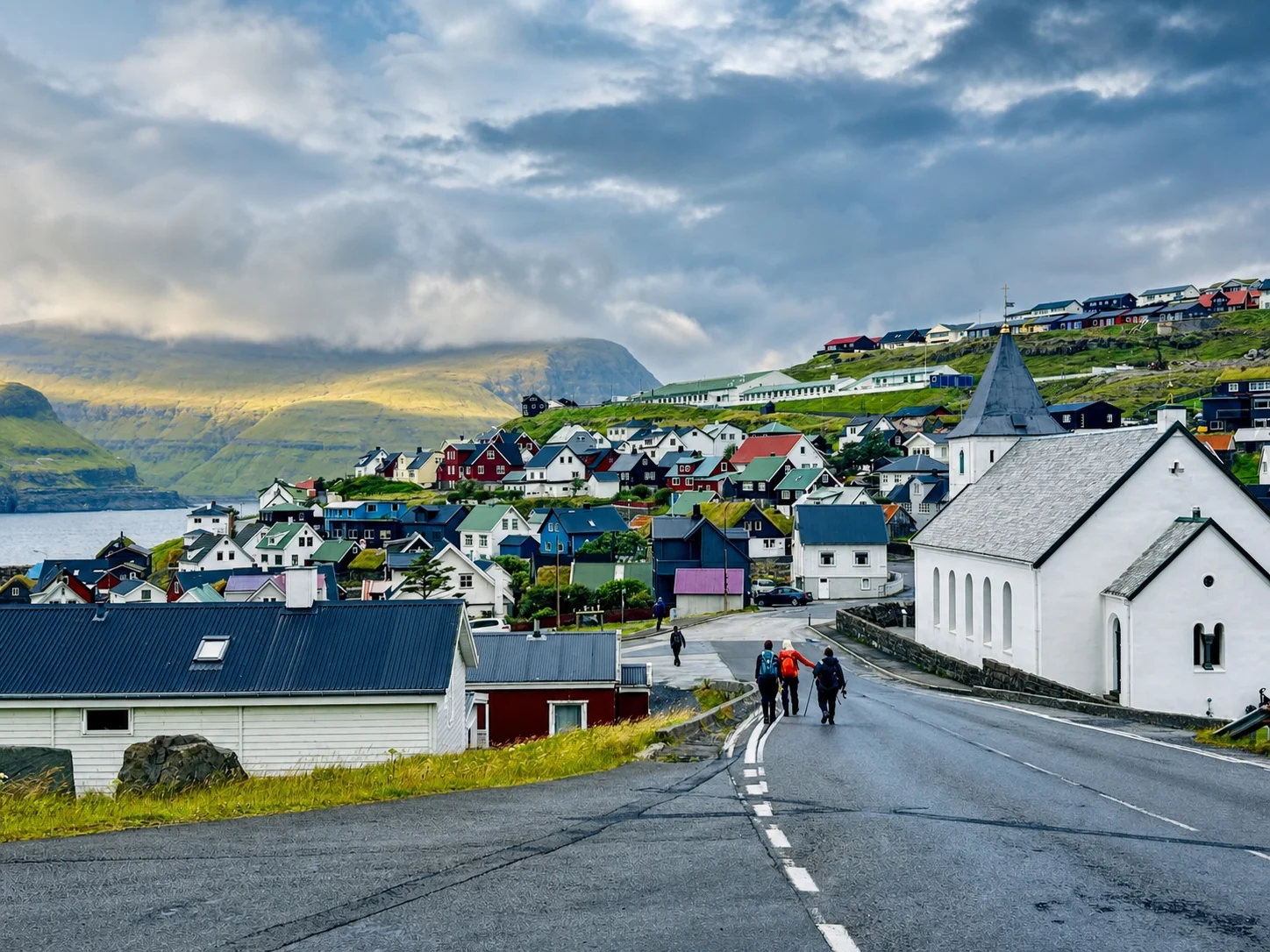
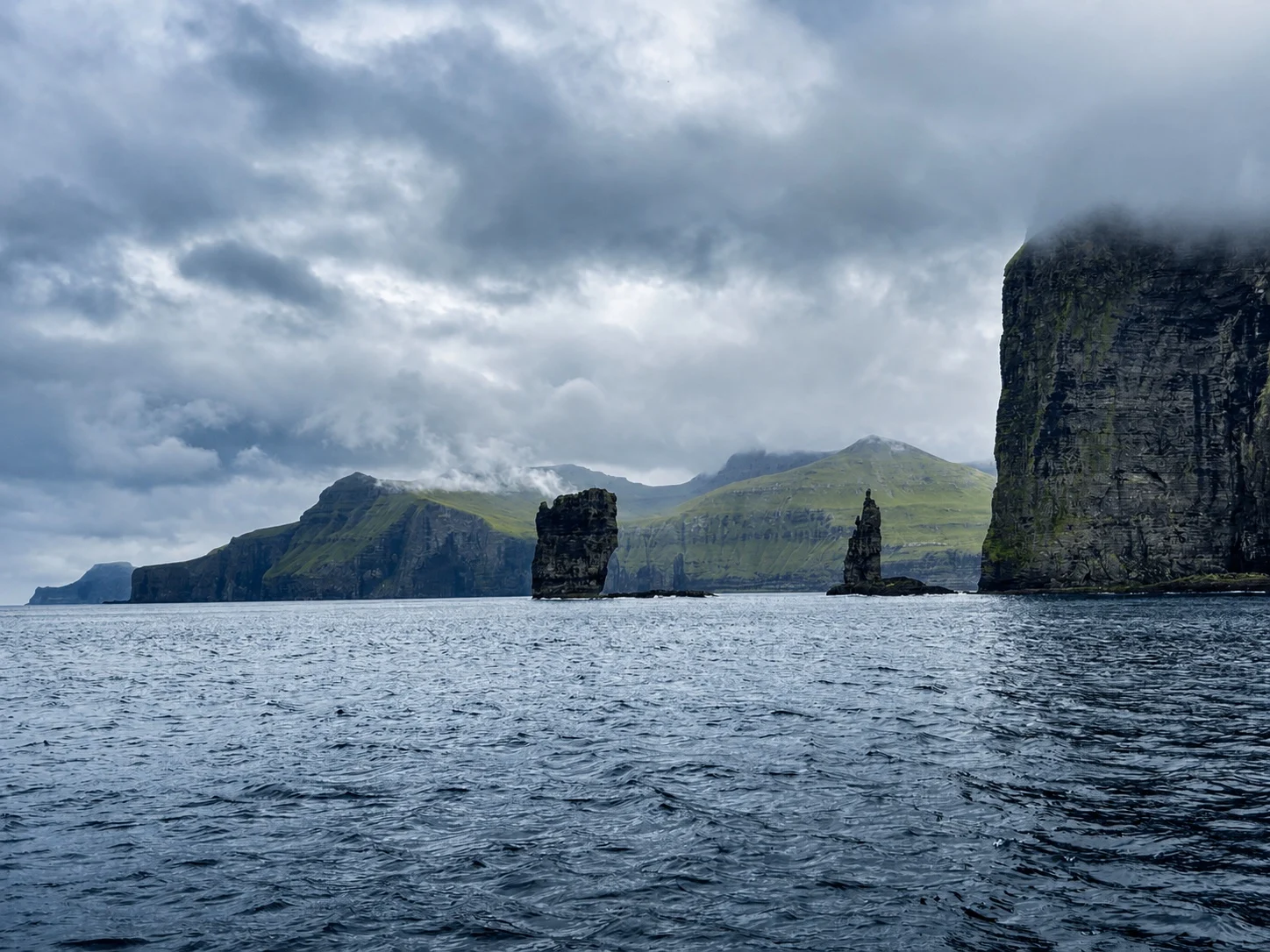
Tórshavn, Vágar, Mykines, Eysturoy, Kalsoy and the Northern Islands all reveal a different side of the archipelago. Some passages lead beneath high bird cliffs, others through narrow channels between mountains or towards small villages that still feel closely tied to the sea.
Puffins, guillemots, fulmars and gannets return to the cliffs in large numbers during summer, and approaching places such as Mykines or the Vestmanna coast from the water gives a completely different sense of their scale.
Trekking above the Atlantic
Once ashore, the journey continues on foot.
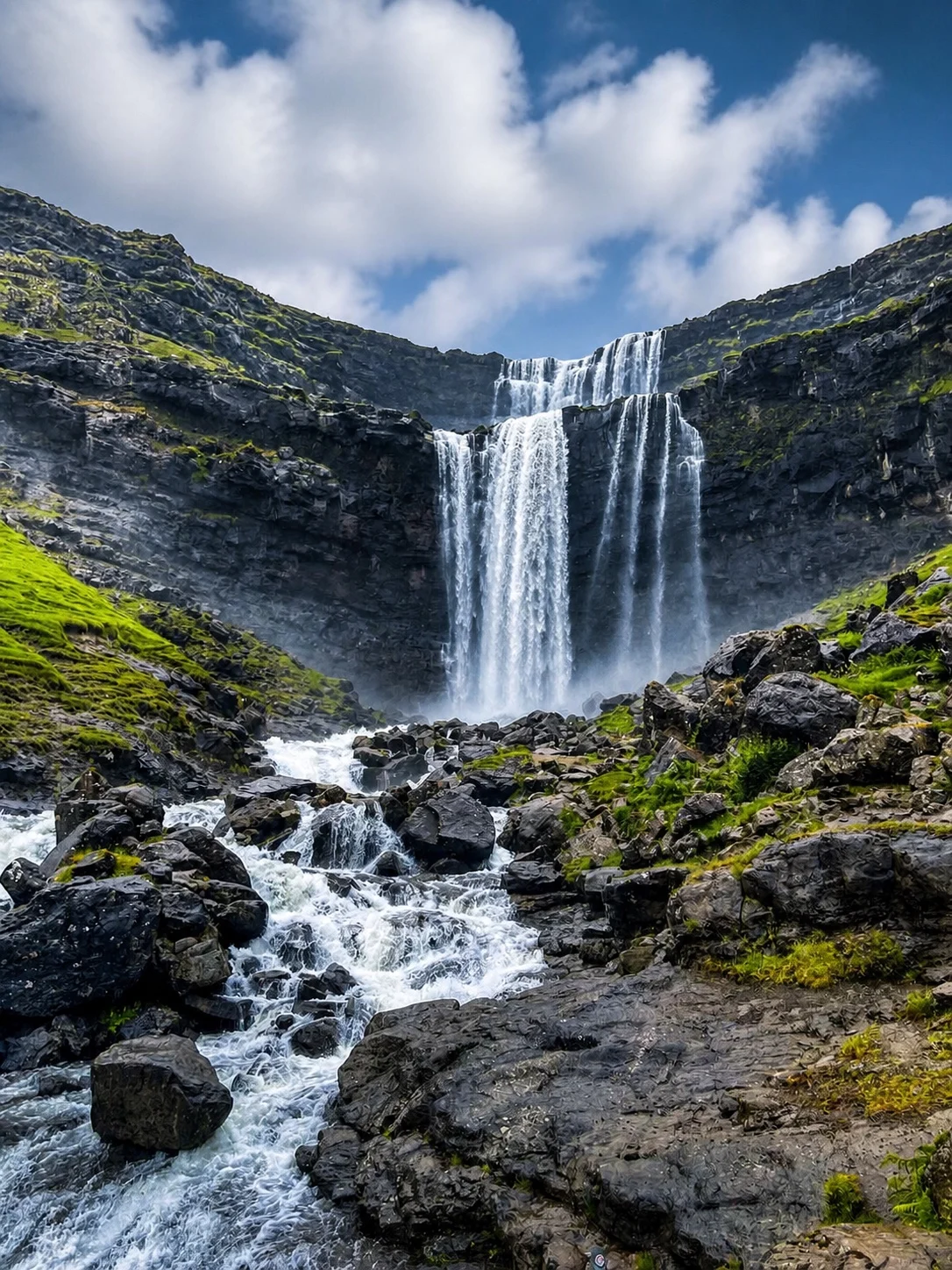
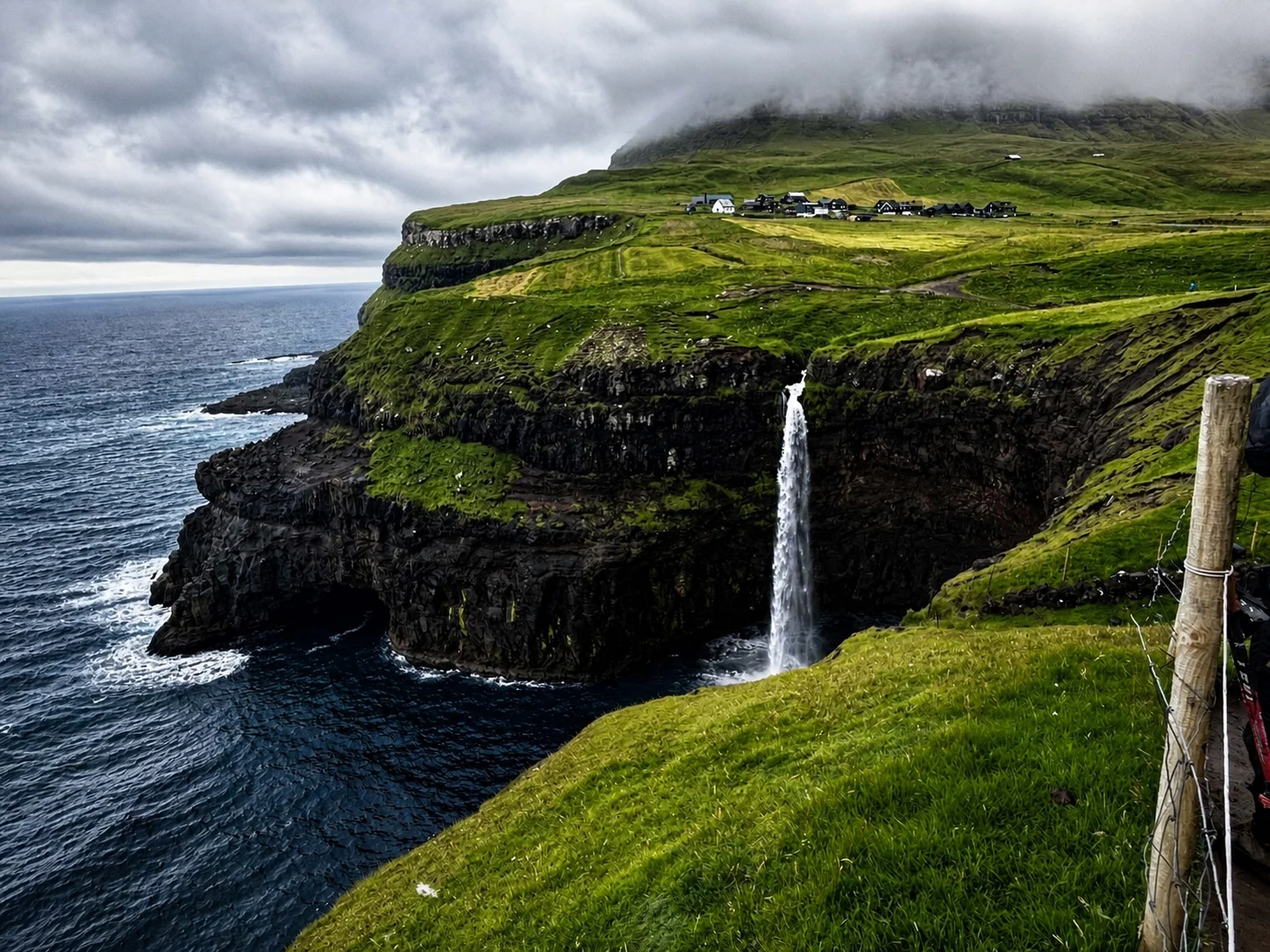
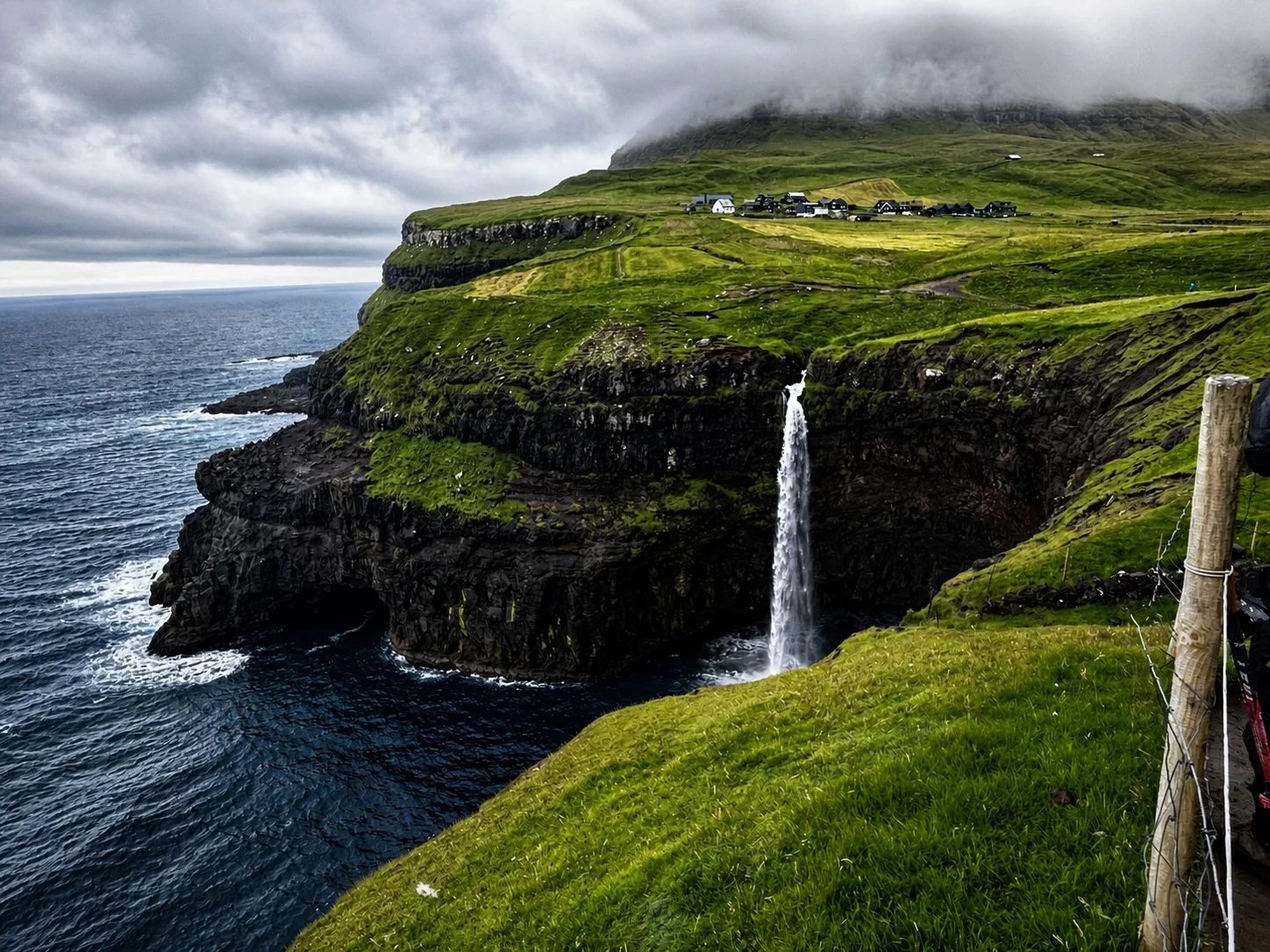
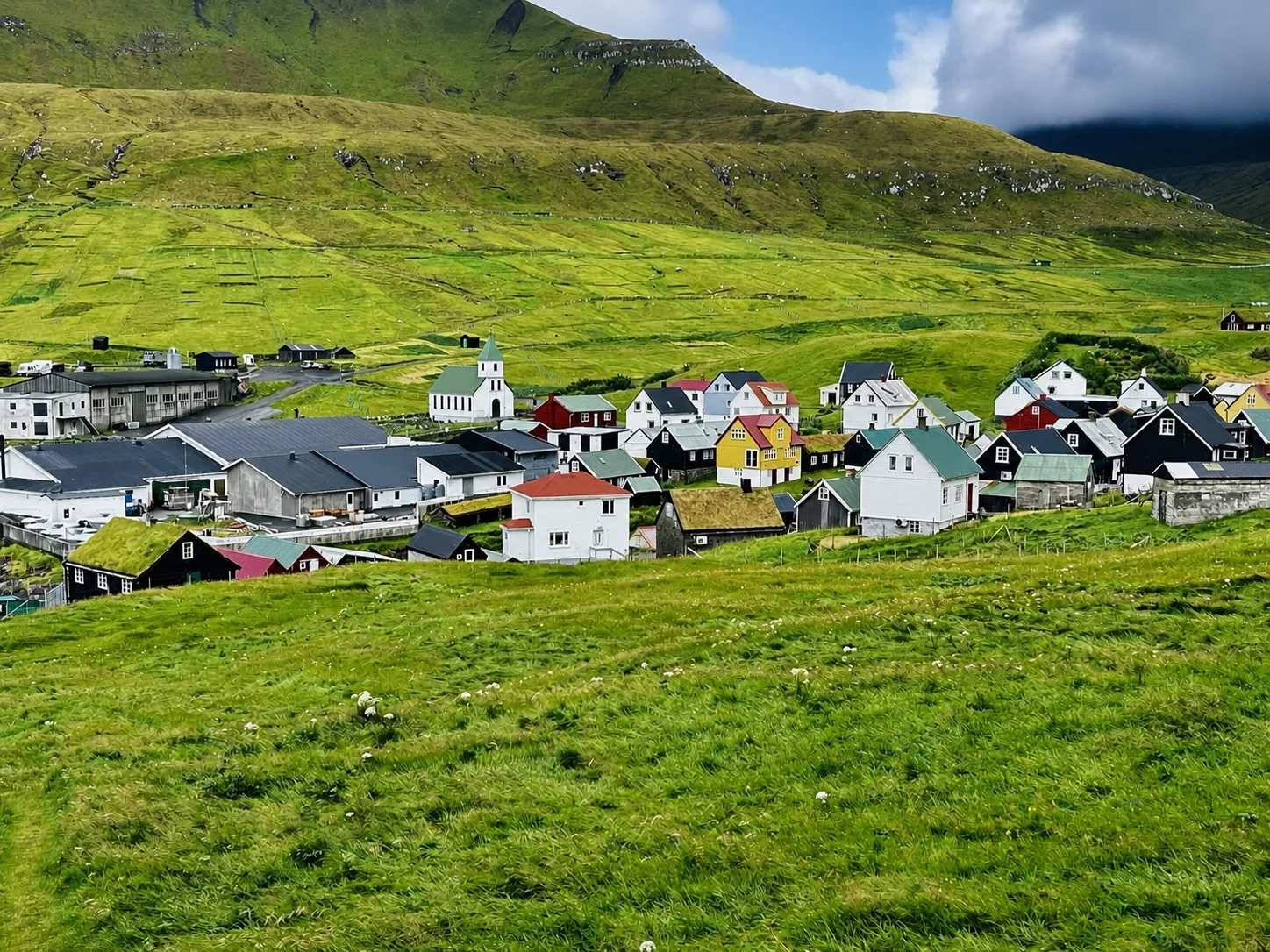
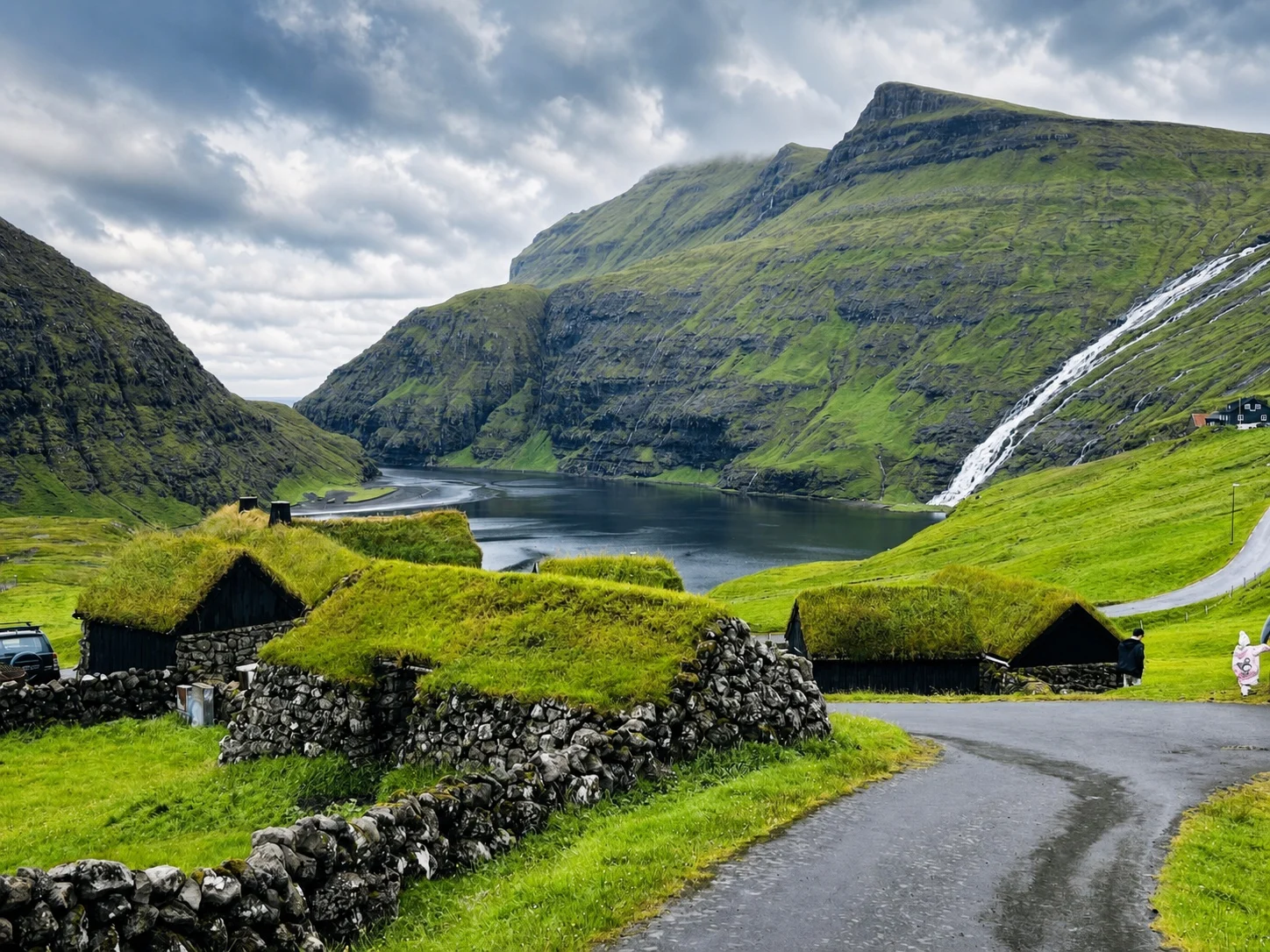
Trails climb from small harbours and villages towards ridges, waterfalls and viewpoints high above the ocean. Around Vágar, paths lead towards the cliffs above Sørvágsvatn and the coast near Gásadalur. On Kalsoy, the walk towards Kallur lighthouse follows the narrow northern end of the island with sea on both sides. Gjógv, Eysturoy and the Northern Islands offer further routes between valleys, mountain passes and coastal villages.
The trekking does not need to be about collecting summits. Often the most interesting walks are those that connect the boat with a remote village, a ridge above the anchorage or a viewpoint over the passage just sailed.
A journey shaped by the weather
In the Faroes, the plan stays flexible. Wind, current, fog and swell can change which island makes sense that day, while a cloudy morning may open into clear conditions only a few hours later.
That suits Arctos well. Sail when the conditions favour the sea, go ashore when the mountains invite you up, and let the route develop around both.
The islands are close together, but the experience still feels distinctly North Atlantic — real sailing, long walks above the ocean and a coastline that is best understood by moving through it.