Tidal Navigation & Expedition Sailing
Scotland & the Inner Hebrides
Tides, Charts & Wild Island Sailing
The real art of sailing is not fighting the conditions. It is learning how to use them.
Voyage Information
Wind, tide, current, depth and sea state all shape the route through Scotland’s Inner Hebrides. Here, narrow sounds open into exposed Atlantic waters, sheltered sea lochs lie behind rocky headlands, and a passage that looks simple on a chart may depend completely on choosing the correct hour to leave.
This voyage aboard Arctos is designed for sailors who want to go deeper.
We will not simply move from island to island. We will study the waters through which we sail, build passage plans, work with charts and almanacs and then test those decisions against the conditions outside.
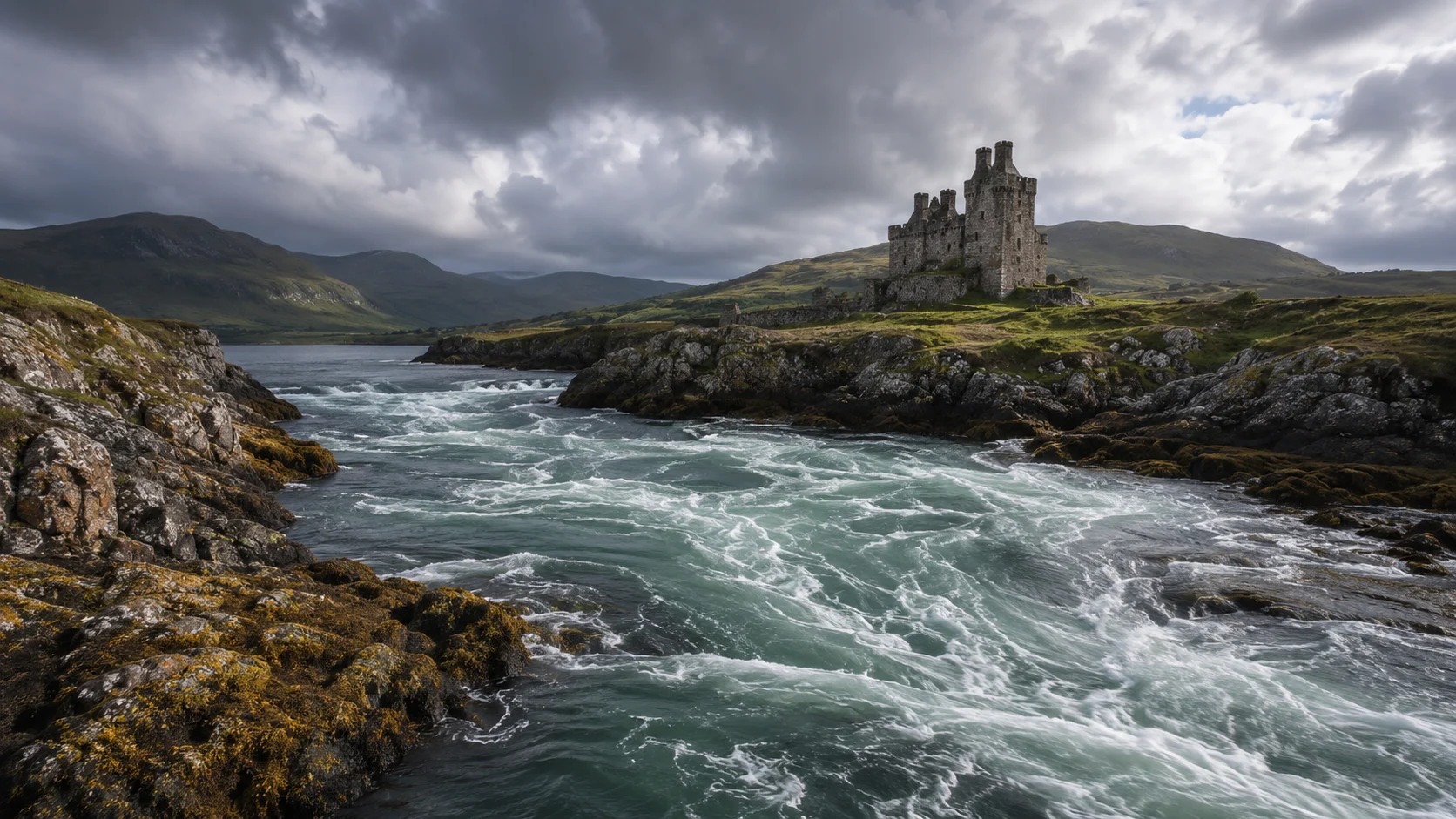
In localised areas around the Hebrides, tidal streams can approach eight knots. Used well, they carry the boat rapidly through a sound. Misjudged, they can stop progress completely or transform a straightforward route into a demanding exercise in seamanship.
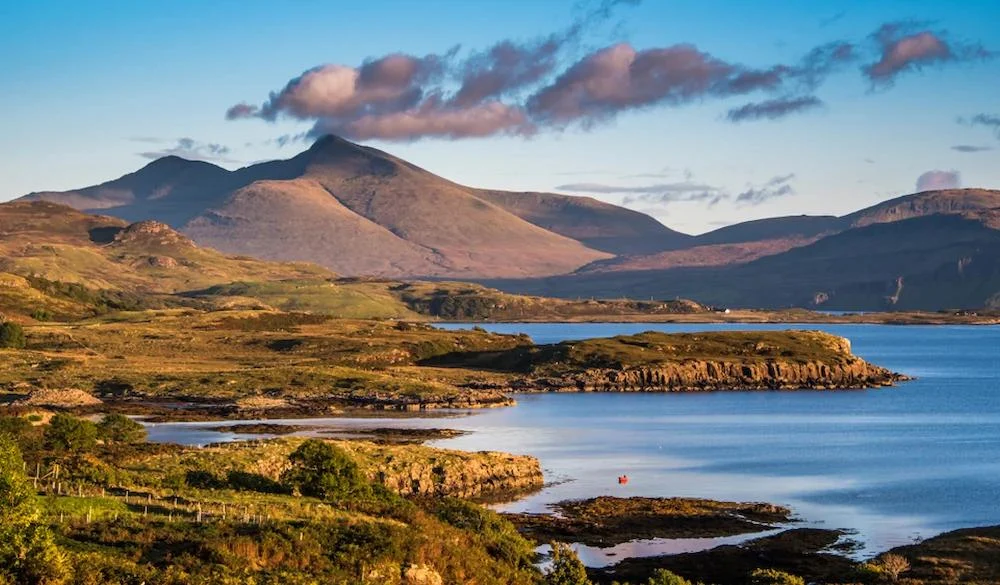
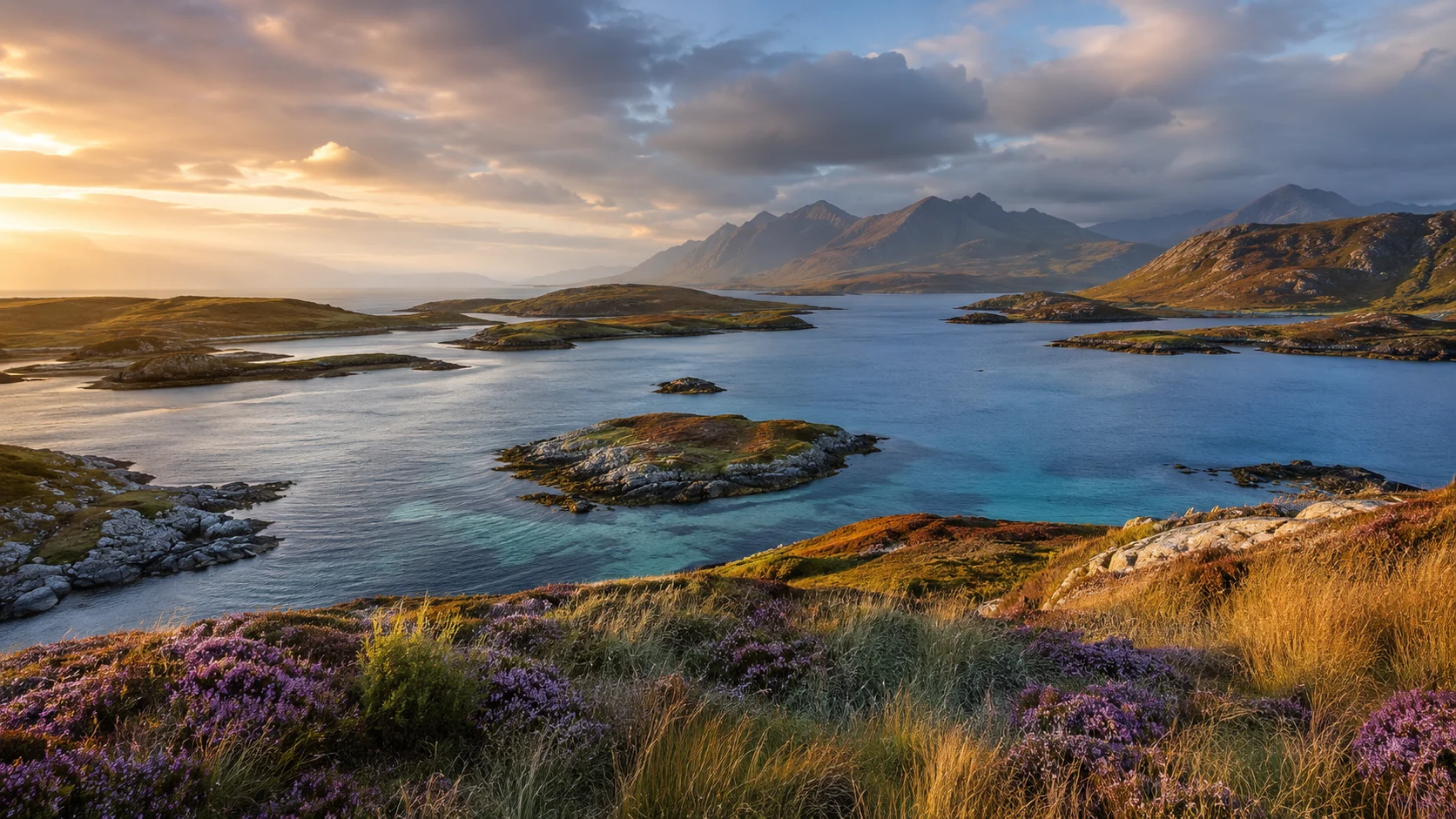
Early September brings cooler air, changing skies and the first feeling of the northern autumn. Around us are mountains, reefs, small island communities, old castles and wild anchorages that still feel far removed from conventional tourism.
This is not a standard sightseeing charter and it is not a classroom course conducted in a marina.
The sea is the classroom.
Sailing with wind, tide and terrain
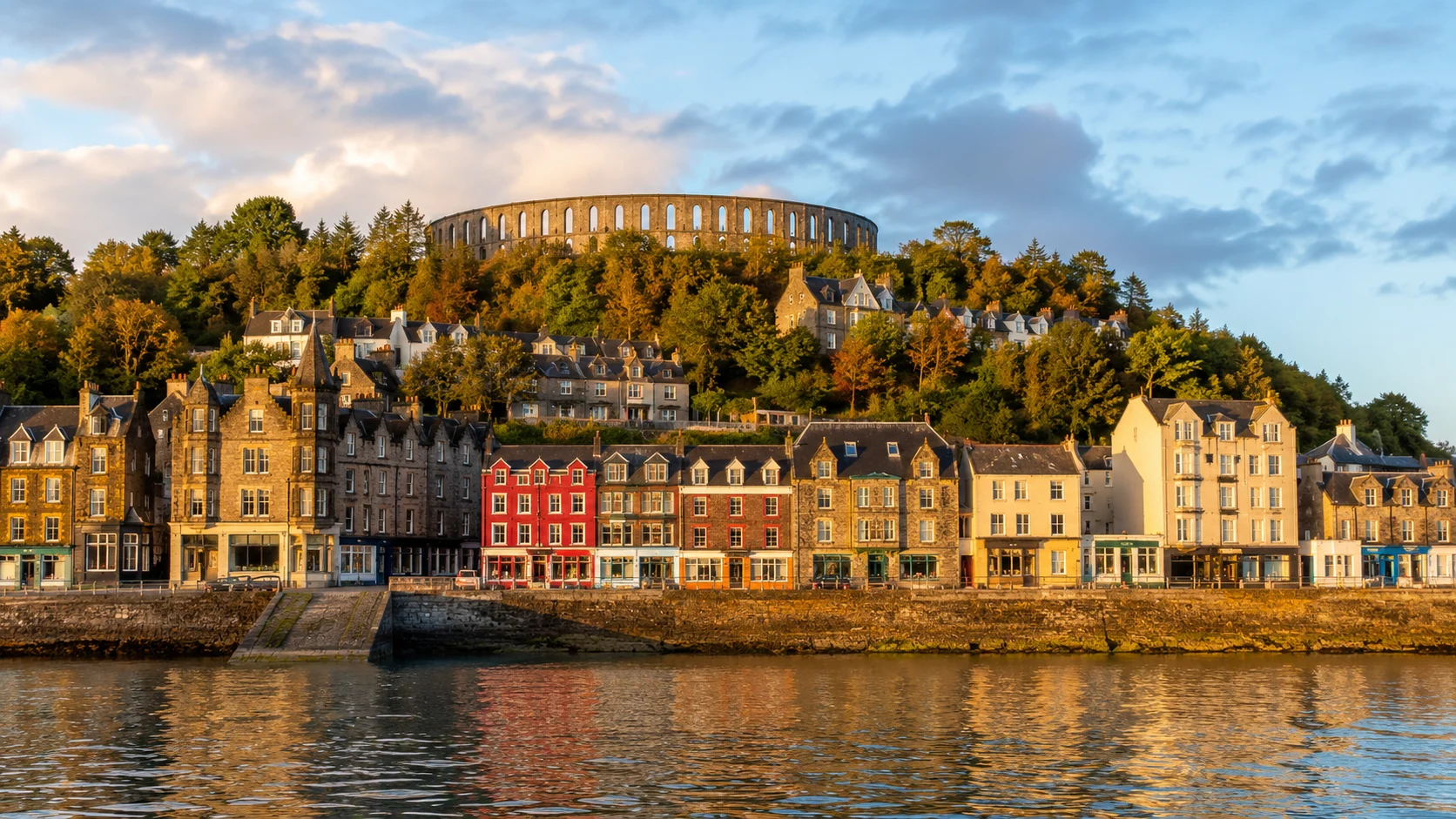
The voyage begins in Oban, one of the natural gateways to Scotland’s western islands.
Before departure, the crew will prepare Arctos, review the expected weather and begin building the first passage plan. We will look at tidal streams, distances, depths, hazards, possible anchorages and the points at which timing may determine the success of the route.
Once underway, the Inner Hebrides become a constantly changing navigation exercise.
The Firth of Lorn, the Sound of Mull, the waters around the Slate Islands, Mull, Jura, Scarba and the Small Isles may all form part of the wider sailing area. The final route will depend on wind direction, tidal windows and the conditions available during the voyage.
These are possibilities, not guaranteed stops.
Some days may involve working through narrow tidal waters and short technical passages. Others may take us into more open sea, where Atlantic swell, changing wind and the shape of the islands become part of the planning.
A favourable current can add several knots to the boat’s speed. The same water running against us may make progress slow or impractical. The crew will learn to recognise tidal gates, compare predicted and observed conditions and adapt the plan as new information becomes available.
Arctos gives us an ideal platform for this kind of voyage. Her aluminium construction and lifting keel combine offshore strength with the ability to explore shallower anchorages when depth, tide and conditions allow.
When we are ashore, the experience changes again. A small harbour may lead to a single pub, a local restaurant, an old castle, a distillery or a quiet island settlement where the welcome feels completely different from a busy tourist destination.
The atmosphere of the Hebrides is part of the voyage: cooler, wilder and deeply connected to the sea.
The aim is not to collect the maximum number of islands. The aim is to understand why we choose a route, how we time it and how a thoughtful sailor turns difficult conditions into useful conditions.
Navigation that continues beyond the chart table
This voyage includes structured onboard sessions led by Klimentina. The sessions are practical and connected directly to the route being sailed, not a formal classroom syllabus or guaranteed certification course.
Depending on the route and conditions, the crew may work on reading paper and electronic charts, using nautical almanacs and tidal-stream information, identifying tidal gates, calculating height of tide, estimating current, course to steer, vectors and tidal triangles, leeway and set, pilotage plans, safe-water and clearing bearings, depth and under-keel clearance, estimated position, passage timing, alternative anchorages, weather interpretation and adapting a route while underway.
Klimentina teaches through practical examples. Expect charts, pencils, vectors, numbers, calculations, diagrams and a whiteboard with plenty of marker lines.
The purpose is not to memorise isolated formulas. The purpose is to understand how each decision affects a real boat moving through real water.
Note: The exact subjects and exercises will depend on the experience of the crew, the route selected and the conditions encountered during the voyage. This is not advertised as an official qualification, examination or certificate course.
Meet your instructor – Klimentina Straka
Klimentina is an RYA Instructor whose sailing life is closely connected to ocean coasts, strong tides, currents and waves.
Her teaching style is direct, visual and practical. Theory quickly becomes a chart, a drawing, a vector, a calculation or a real decision made aboard the boat.
She is also the skipper of TIME2DARE, the Bulgarian all-women sailing team that became the first fully female crew to complete the demanding Aegean 600 offshore race in 2025.
On this voyage, Klimentina will help participants understand not only what decision to make, but why it works.
Highlights
Sailing in powerful tidal waters
Experience an area where timing, current and route choice can matter as much as wind strength.
Practical chartwork
Build passage plans with charts, tidal data, almanacs, vectors and real navigation decisions.
The islands of western Scotland
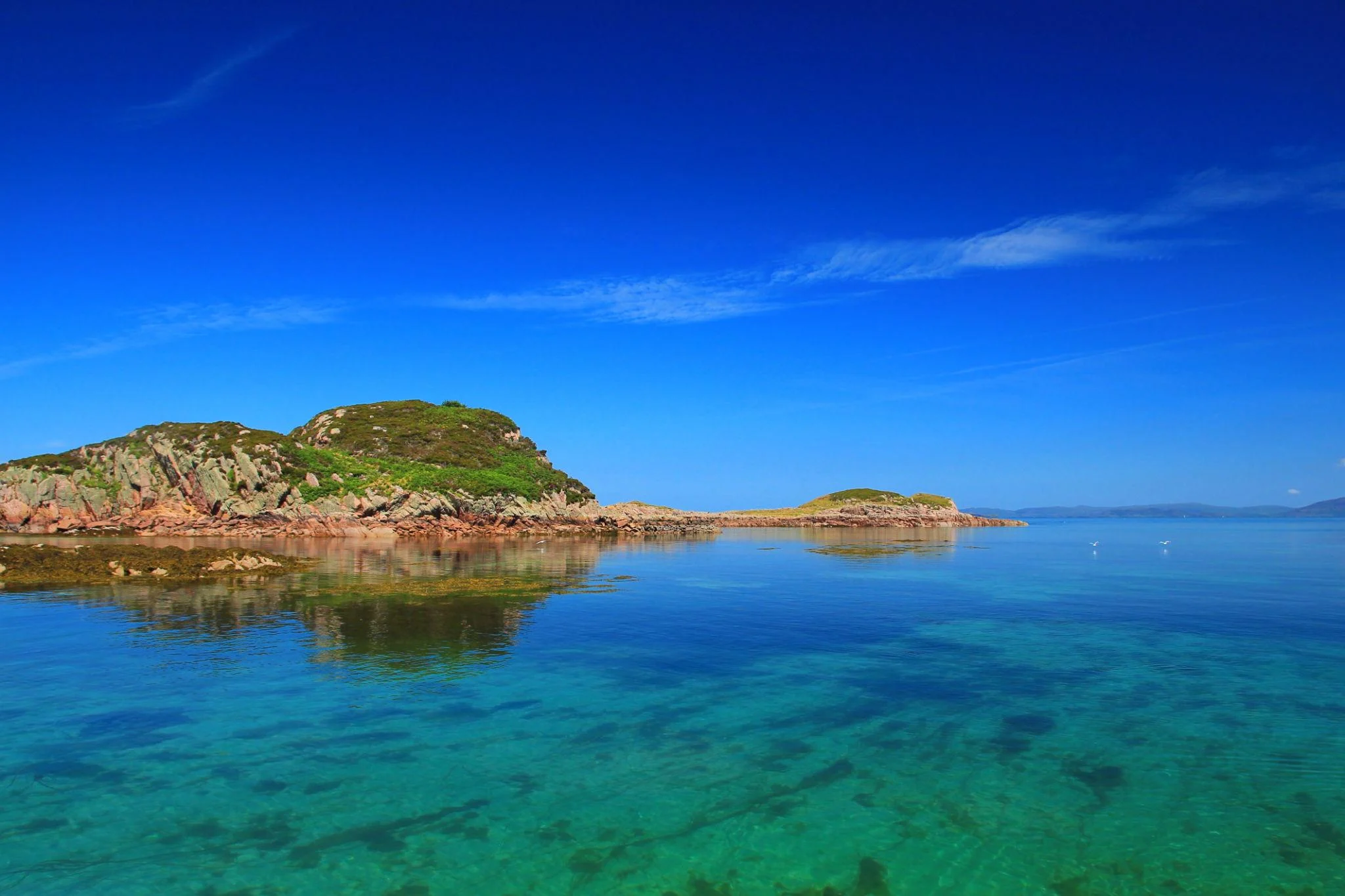
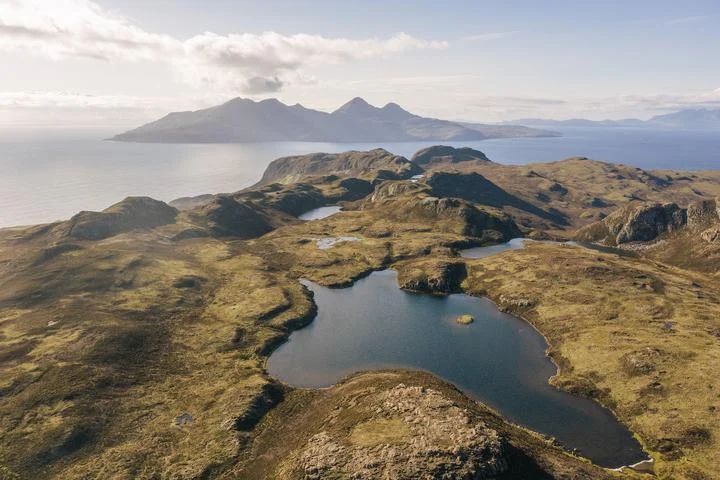
Sail among wild coastlines, mountains, reefs, sea lochs and remote island communities.
Learn directly from the conditions
Compare predictions with what the boat actually experiences and adapt the plan underway.
Arctos in her natural environment
Explore aboard a rugged aluminium OVNI 56 with a lifting keel, suited to both exposed waters and shallower anchorages.
Scottish island atmosphere
Discover local culture, whisky traditions and island hospitality when the route and conditions allow.
The rhythm of the voyage
The sequence below is indicative. This is a tide-led and weather-led voyage, with passages and anchorages selected according to conditions rather than a rigid sightseeing schedule.
Days 1-2 – Oban and preparation
Embarkation aboard Arctos, crew introductions, safety briefing, provisioning and the first navigation session. Together, we review the weather, tidal information, possible routes and the practical considerations behind the first passage plan.
Days 3-4 – Firth of Lorn and the island approaches
The first sailing days introduce the relationship between coastline, depth, wind and current. The crew begins applying tidal calculations, pilotage planning and lookout routines in real conditions.
Days 5-7 – Deeper into the Inner Hebrides
The route may take us through stronger tidal waters, narrower sounds and more remote anchorages. Possible sailing areas include Mull, the Slate Islands, Jura, Scarba, the Small Isles and the wider Inner Hebrides, depending on conditions.
Days 8-9 – A route shaped by the forecast
We use the latest weather and tidal information to select the strongest final part of the voyage. A good weather window may allow a longer passage; more difficult conditions may lead us toward a protected anchorage, a different island or additional practical chartwork.
Day 10 – Return to Oban
Final sailing toward Oban, review of the decisions made during the voyage, arrival procedures and disembarkation.
The skipper may adapt or completely change the indicative route, island stops, departure times and anchorages according to weather, tidal conditions, sea state, visibility, safety and the progress of the crew.
Life aboard Arctos
Arctos is an OVNI 56, a rugged aluminium expedition yacht with a lifting keel, created for serious long-distance sailing and access to shallower waters when conditions allow.
She is not simply transport between islands. She is our home, working environment, navigation platform and shared base for the voyage.
Everyone aboard participates actively. Depending on experience and conditions, this may include helming, keeping lookout, sail handling, preparing lines, navigation discussions, checking depth and position, maintaining the log, helping with mooring and anchoring, preparing shared meals and keeping communal spaces organised.
Some passages may begin early or finish late because the tidal window determines the schedule. Night sailing may be included if the route, weather or training objectives make it appropriate, but it is not guaranteed.
Life aboard means shared space, shared responsibilities and practical cooperation. This is not a luxury cruise and participants are not passive passengers.
Previous sailing experience is recommended, but curiosity, concentration, adaptability and a genuine willingness to learn are equally important. Final suitability will be confirmed after a conversation with the skipper or event team.
Getting to Oban
Oban is the embarkation and disembarkation point for the voyage.
Edinburgh is a practical international arrival option, with onward travel across Scotland to Oban. Glasgow may also be suitable as an alternative Scottish transport hub depending on the participant’s travel plan.
Participants should plan to arrive in Scotland with sufficient time to continue to Oban before embarkation, and we recommend being in Oban no later than the evening before the voyage.
All participants are responsible for checking passport, visa and UK entry requirements applicable to their nationality.
Gallery
Learn to read the sea with us
Tell us about your sailing experience, what you would like to improve and what draws you to tidal navigation in the Hebrides. We will reply with current availability, preparation details and booking information.
Price: 1050 euros